18.4 C
Manchester
Saturday, May 2, 2026
Home Blog Page 471

Digital enablement giant secures funding to “RavidPivot” SME’s post-Covid

0

Leading digital enablement specialist, AND Digital, has secured £50k of funding from Innovate UK, the UK’s innovation agency, to develop its digital enablement platform, RapidPivot – the first of its kind in the market.

RapidPivot will help SMEs rapidly take their businesses online, aiding national efforts to rebuild the nation’s economy post-Covid.

Small businesses are at the heart of the UK economy, and continue to face long-term challenges presented by Covid-19. One in four companies have already resorted to permanently closing their doors, while others have been forced to adapt their business models to establish new sources of revenue.

In many cases, this involves transferring services online, but a lack of digital knowledge and limited financial resources can make this difficult for many business owners to achieve. As SMEs account for 99.9% of UK businesses, it is vital that cost-effective solutions are created quickly to help boost economic efforts as lockdown eases.

Developed by the Manchester-based arm of AND Digital, Club Kilburn, and selected from over 10,000 entries, RapidPivot was chosen for its innovative approach, simplicity in design and ability to be rapidly implemented to create a wide societal impact. Partnering with leading online service providers (such as Shopify, Xero and Square), the platform will provide a roadmap for small businesses, catering to their individual needs, financial budgets and technical expertise. Whether companies simply seek to limit cash handling, or enable a full online delivery service, RapidPivot will offer a concise list of service recommendations, even breaking down the spend and sales required to pay back the costs each month.

Paramjit Uppal, founder and CEO at AND Digital, said: “A core part of our ethos is to empower and upskill our clients in digital skills, and this is exactly what RapidPivot encompasses.

“The events of Covid-19 have shone a spotlight on the digital skills gap in the UK, as many SMEs attempt to shift processes online. Lacking the budgets to invest in new websites and, in some cases, the digital know-how to take the best approach, small companies are facing huge disadvantages as they attempt to stay afloat.

“Projects such as RapidPivot support companies by enabling them to diversify and improve their digital capabilities quickly, helping to bridge the digital divide. We are proud to play a role in supporting the nation at this time, and I am hopeful that this is the first of many of our projects to provide real, tangible help for the business community with support from Innovate UK.”

Executive Chair, Innovate UK, Dr Ian Campbell, said: “Businesses from all over the UK have answered our call rapidly to meet the challenges we face today and in the future through the power of innovation. The ideas we have seen can truly make a significant impact on society, improve the lives of individuals, especially those in vulnerable groups and enable businesses to prosper in challenging circumstances.”

The project’s 3-month development plan is already in motion, as AND Digital mobilises a specialist team and initiates market research. Once operational, around September this year, the platform’s creators hope to connect UK small businesses with providers such as iZettle, WordPress, Paypal, Deliveroo and Stripe, among many others.


Manchester-based University Campus of Football Business (UCFB) has launched its Global Institute of Sport (GIS).

University Campus of Football Business (UCFB) is excited to announce the launch of the Global Institute of Sport (GIS) – its new destination for Master’s degrees and Executive Education around the world.

Utilising a global network of industry leaders and elite stadium venues, including the Etihad Stadium in Manchester, the launch of GIS will also see the addition of a world-class executive education portfolio led by Manchester–based VSI Executive Education (VSI) and an industry advisory board packed with leading names in the world of sport.

GIS will offer current and aspiring sports professionals the chance to expand and excel in the industry with a number of university degrees and specialist programmes spanning leadership, finance and business, delivered by some of the most experienced and respected practitioners from education and sport.

Students will learn at some of the world’s leading sports destinations as part of their studies, including UCFB’s existing campus locations in Manchester and London, which include Etihad and Wembley stadiums respectively.

Further first-class stadium surroundings include GIS Study Hubs at Red Bull Arena in New York Metro, Atlanta’s Mercedes-Benz Stadium, Toronto FC’s BMO Field and the incredible Melbourne Cricket Ground, where annual GIS Sports Summits are hosted. Several degree programmes are also available to study online, allowing students greater flexibility around their studies.

GIS students will also have the opportunity to attend a La Liga Summit for the first time in 2020/21 to grow their network and understanding of Spanish football.

As part of the launch, GIS has joined forces with VSI – a market leader in executive education – and will be running its leading MSc Sports Directorship degree programme, as well as its CEO of a Sports Organisation and Executive Athlete courses. Alumni of VSI include ECB Director and former England cricketer Ashley Giles, Olympic medal winning gymnast Beth Tweddle and Salford Red Devils chief executive Ian Blease.

Having founded UCFB in 2010 and overseen its rapid growth since, GIS Chairman and Burnley FC Director Brendan Flood commented: “The introduction of the Global Institute of Sport marks an historic milestone in the journey of UCFB and our postgraduate provision. In our 10th year since we began with a campus at Turf Moor, we are proud to be delivering world-class higher education across the globe to over 2,500 students. This is an exciting moment as we diversify further into multi-sport education on four continents.

“Having admired what VSI has been doing for many years, we’re delighted to partner with them to provide unique executive education for sport. Their addition to the UCFB and GIS family solidifies our place as the go-to organisation for lifelong learning in sport globally.”

In an effort to enhance the learning environment and networking opportunities available to students, GIS has created an Industry Advisory Board featuring an array of leading names from across the global sports industry. Individuals including former Premier League footballer and now Atlanta United Technical Director Carlos Bocanegra, CONCACAF Director of Development Jason Roberts and Melbourne Cricket Club’s GM Commercial Operations & Partnerships Jennifer Watt will form part of this illustrious network.

Commenting on the organisation’s launch, GIS President Sharona Friedman said: “The launch of the Global Institute of Sport is the culmination of several years’ work to build the best Master’s-level sports education experience in the world.

“We’re proud to present an enviable Industry Advisory Board and Executive Leadership Team spanning four continents to guide our curriculum and mould the future leaders of this sector. We’re providing students with increased networking opportunities between our iconic stadium venues and online, as well as short courses to ensure they have the soft skills that will matter in tomorrow’s market. The education on offer to GIS students will be truly one-of-a-kind and I’m excited to meet our cohort starting in September.”

As part of GIS’ launch, four networking centres in Dubai, Mumbai, Shanghai and Singapore will also open to allow students and alumni the chance to expand their contacts base, as well as enable these destinations to take their sports industries to the next level with GIS’ executive education portfolio.

How to emerge from lockdown as positively as possible

As lockdown restrictions begin to ease, more manufacturers getting back to work. Manufacturing advisor Rachel Baldry outlines the key business planning considerations that will enable you to resume operations safely and intelligently, and how our manufacturing service can help.

After weeks of lockdown, the government is now actively encouraging people back to work where it is safe to do so. In order to get up and running again, manufacturers must now follow strict health and safety guidelines to ensure their workplace remains ‘COVID-19 secure’. But that’s not the only thing that needs attention. Here are some key considerations to keep in mind.

First things first, people must feel safe and supported

Many employees will understandably be feeling nervous about the prospect of returning to work, so you should do everything you can to reassure them that their workplace is safe. The government has developed detailed guidance for factories, which recommends conducting a thorough COVID-19 risk assessment. To ensure buy-in, it’s important that this is done in conjunction with employees and unions and the results are communicated to, and fully understood by, all staff. Advice is available from the Health and Safety Executive (HSE), but if you’re not confident with risk assessments, speak to us and we can help. Note that businesses with more than 50 employees are expected to publish their risk assessment on their website.  The government has published this notice which you can display in your workplace once the risk assessment has been completed.

In summary, you should follow these key principles:

  • All reasonable steps should be taken to help people work from home if they can
  • Social distancing must be ensured wherever possible, for example through one-way systems, floor markings, and splitting shifts to reduce the number of people coming into contact with each other
  • Workplaces should be cleaned more frequently, taking particular care over common touchpoints, and hand washing stations should be in place at entry and exit points.
  • Where it is not possible to adhere to social distancing guidelines, consider whether the activity should be carried out at all. If the task is deemed necessary, put further mitigating actions in place such as separating people with screens or barriers, limiting the time of the activity, or arranging workstations so that people can work back-to-back or side-by-side instead of face-to-face.


prochem 9 min

A great example of best practice has been captured on camera by the BBC in this video.

When it comes to managing shift patterns, be aware of the skills you have at your disposal. A Skills Matrix is a really valuable tool that will help you to spread skills out across shifts. Bear in mind that your most experienced staff may be more likely to be in a higher-risk age bracket and may therefore be more likely to be self-isolating. We can help you if you haven’t produced a Skills Matrix before.  

Of course, not everyone is going to want to return to work. Some might be in a high-risk category or have high-risk individuals in their household, some may have childcare responsibilities, and others may rely on public transport and no longer feel safe commuting to work. Treat each case individually and be empathetic to people’s circumstances. If you need HR advice, get in touch with us or make use of Make UK’s HR advice line free trial

 Take care managing remote workers

Remember, those who can work from home should do so. Staff who are office-based or not required on the shop floor should therefore be supported to work remotely, and this will require a different approach to management. Video calling platforms such as Skype and Zoom are fantastic tools to keep us connected, but you still lose a lot of the social interaction that usually takes place in an office environment. Good leadership will be needed to keep the team motivated and prevent silos emerging.

sy tech case study image sall

Stay as lean as possible

It’s a good idea to do a full stocktake to identify obsolete stock that can be scrapped or sold. During a crisis it’s tempting to hold a lot of stock, but this can be a dangerous strategy. It may feel safer to begin with, but you’re risking cashflow issues further down the line if orders dry up. Following a lean methodology that balances your supply and demand still applies, even during a crisis.

At the same time, there may be some materials or parts previously considered non-critical that are now in short supply. This crisis has highlighted the vulnerabilities within the supply chain – as the proverb goes: ‘for the want of a nail the kingdom was lost’. Re-evaluate what your critical components are to identify any items you need to hold in greater number.

Download GC Business Growth hubs Lean Manufacturing Factsheet

Staying lean will also help to keep your workplace COVID-19 secure. For example, methods like 5S can help you to keep on top of tool management by minimising sharing and implementing safe storage and cleaning routines. If you’re new to lean, we have experienced practitioners on hand to provide support.

Get talking to customers and suppliers

It goes without saying that there’s likely to have been significant disruption both upstream and downstream in your supply chain. It’s crucial you review your existing orders and determine whether they can, or should, be fulfilled. Don’t assume that previous demand will eventually ‘return to normal’. Some clients may not be the same organisation when they emerge from this crisis, and some may not emerge at all. Speak to your customers – are they currently shutdown or operating at reduced capacity? Have they diversified into different products or services? Can they give an accurate forecast of their demand?

The same applies to your suppliers. When are they planning to re-open? Do you have orders that may not be fulfilled? Now is the time to be looking for alternative or additional suppliers. Collaboration will be crucial to business survival in a post-COVID world, so ongoing communication with your customers and suppliers and is key.


handrail creations low res mg 0282

We’re re-designing our services to help you

As we emerge into this brave new world, we’re busy looking at new ways to provide manufacturers with remote one-to-one support. If you need help with any of the issues raised above, contact us and one of our specialist advisors will be in touch. We can work with you to develop a full business improvement plan so that you emerge from this crisis as positively as possible.


62EC0A32 6CE7 4327 9006 C413FEEC0012 300x292 1

Rachel Baldry , Manufacturing Advisor

With a background in Manufacturing Engineering, Rachel has spent her career working in both manufacturing and operational environments.  She has a broad range of experience including efficiency improvement projects, supply chain, inventory control, process mapping and implementation and improvement of ERP systems.

Most recently, Rachel was employed as a Business Process Manager, employed to improve the efficiency, accuracy and profitability of the Business Stream, requiring detailed data analysis, process analysis and improvement, ERP system improvement (SAP) and employee training.

To view Rachel’s full profile including technical capabilities and industry experience, please click here.


From actor to entrepreneur

0

Jody Latham, best known for his acting roles on Shameless and Eastenders, has taken time out from TV work in recent years to launch his own business in the North West, which is continuing to go from strength to strength. The business, Epitique UK Ltd, last week signed an exclusive deal with Korean cosmetics technology giants, Jetema, worth £9.5m.

The cosmetics products , which are seen as revolutionary in the medical aesthetics and fillers industry, marks a major statement of intent by Epitique UK Ltd, as the company looks to establish itself further as one of the leading innovators in the UK & Ireland cosmetics industry.

Jody Latham, Founder of Epitique UK Ltd: “We are thrilled to have signed this partnership with Jetema, an incredibly prestigious company, and look forward to enjoying a very successful relationship together. Most importantly, these products mark a major gear change in the evolution of the medical aesthetics industry in the UK & Ireland.”

The deal means the company is projecting a turnover of £4m this year with 30% grown in 2021.

Raytheon Professional Services Developing Digital Skills in Greater Manchester

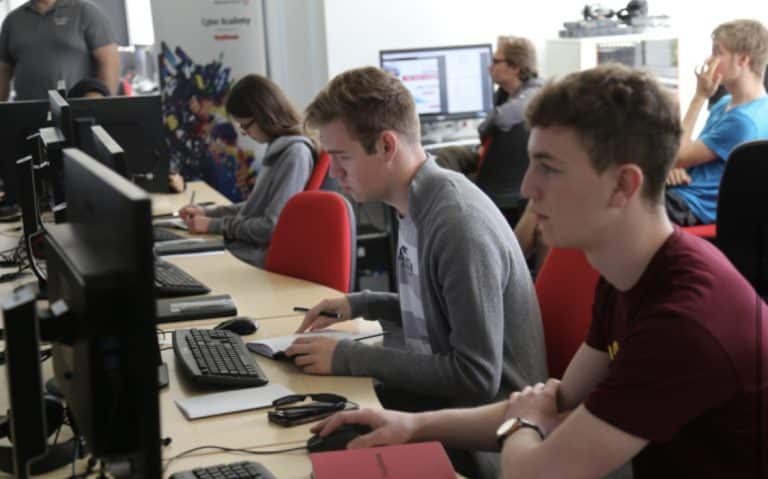
Raytheon Professional Services, a Raytheon Technologies subsidiary (NYSE: RTX), was awarded £250,000 by the Greater Manchester Combined Authority, the Department for Digital, Culture, Media and Sport and Lancashire Digital Skills Partnership to launch a Fast Track Cyber Training programme in the UK as part of a wider Fast Track Digital Workforce Fund.

The Fast Track Digital Workforce Fund is a £3 million joint venture between GMCA, DCMS and LDSP and is the first of its kind in the UK, providing both Greater Manchester and Lancashire residents with access to better quality digital employment.

“Greater Manchester is fast becoming a digital hub, which has, in turn, created a growing demand for specialist digital roles to help support the local economy” said Mark Oliver, Raytheon Professional Services, managing director for Europe the Middle East and Africa. “The Fast Track Digital Workforce Fund will enable us to deliver successful blended cyber and software training solutions to support a route into a career in cybersecurity and software development.”

The grant given to RPS will provide both full-time and part-time training programmes for a consortium of employers, which recruit, train and develop individuals who want to pursue a career in cyber security. Consortium members include Raytheon UK, Morson Group, Salford City Council and The Landing, based in MediaCityUK, Salford, Greater Manchester. Other companies that have also committed themselves to the project include Bridge IT, Sodexo, BUPA and TalkTalk.

“This will create digital opportunities for a range of groups that may not currently have access to them, including Black and Minority Ethnic communities, unemployed or underemployed individuals, women and ex-armed forces personnel,” Oliver said.

The announcement of the award coincides with the news that Raytheon UK has become a supporter of the Salford City Mayor’s Charter for Employment Standards. The Charter highlights Raytheon UK’s commitment to investing in the local Salford workforce and providing training and employment opportunities for Salford people, particularly those from disadvantaged communities.

As part of their involvement with the charter, Raytheon UK will also help to raise employment standards for employees and businesses across Salford, working with employers, trade unions and campaign groups to promote the adoption of the best possible working practices, policies and conditions.

Commenting on the announcement, Salford City Mayor Paul Dennett said: “Salford is establishing itself as a leading city for digital enterprise – — digital skills are critical to this success and will create new opportunities for residents and communities. Raytheon UK is a supporter of the Charter for Employment Standards. This support combined with the announcement of the Fast Track Cyber Training programme show how businesses in Salford are working towards creating accessible routes into better quality digital employment for Salford residents.”

Software testing company builds on success with new client wins in Q2 2020

One of the UK’s fastest-growing and largest independent software testing companies, Edge Testing Solutions, part of Eurofins Digital Testing, has bolstered its UK-wide client roster with the addition of seven new clients, including several multi-year contracts, valued at over £3 million.

Spanning a variety of public and private sector contracts, the new contract wins include a high street retailer, two universities, NHS Blood and Transfusion service, Department of Education, a Glasgow based e-commerce start-up and a gas distribution network provider. Testing services will be delivered from its offices in Manchester, Birmingham, London and near Glasgow.

Edge Testing will be managing testing services for a Manchester based university, combining both onsite and remote delivery from its Digital Test Hub in central Manchester, while another new contract with a West London university will be supported by Edge Testing’s London team.

For the universities, Edge Testing has been appointed as a software testing partner following highly competitive bids and the new contracts build on the company’s experience and full testing service offer for the universities sector, where it has been active since 2015.

From Edge Testing’s Birmingham office, testers will be providing the NHS Blood and Transplant Service with a specialist test automation and performance testing, while also providing test consultancy services for the Midlands-based gas utility organisation.

The NHS contract with Edge Testing sees the software testing company provide consultancy, and automated and performance testing services, to support the growth and optimisation of blood donation, transplantation, and diagnostic and therapeutic services. All absolutely key services in the current Covid crisis.

For Edge Testing’s new utility customer we will be providing both consultancy and test services to assist the Coventry-headquartered operations and ensure safety in the transportation of gas to homes and businesses across the West Midlands, North West England, East of England and North London.

Sharon Hamilton, MD of Edge Testing, commented: “All of the new contract wins have provided a significant boost to our plans for growth in England. They are also a strong indication of our expertise, track record and reputation within the public sector, retail, utility and education sectors.”

Having experienced a record year of growth in 2019, which saw Edge Testing increase its presence in England by 50 per cent, including setting up offices in Manchester and Birmingham city centres, the company intends to continue its expansion in the North of England. The company’s Digital Test Hub (DTH) launch in Manchester initially created five new jobs in the area, but Edge Testing aims to create an additional 60 new jobs in the North of England over the next two years, from experienced test managers and test analysts to trainee software testers.

Edge Testing’s Digital Test Hubs were established to meet requirements for a low cost, on-demand testing service supplied within the UK. They operate as a challenger to the offshore model as can be accessed easily by organisations looking for a remote testing service for their in-house applications and back-office systems. The original Digital Test Hub was opened near Glasgow in 2013, followed by Birmingham in 2017, and Manchester in 2019.

FW Capital has appointed an investment executive to strengthen its North West team.

Laura Rees has spent 19 years in business finance, joining FW Capital from Catalyst Finance. Prior to that Laura worked at RBS Group for 11 years, latterly as a relationship director for the corporate and commercial team in Manchester. At RBS she oversaw a diverse portfolio of clients ranging £2M to £40M turnover. She also spent time as a business development manager for RBS Invoice Finance.

Based in FW Capital’s Manchester office, Laura will be responsible for helping small and medium sized businesses (SMEs) access loans of between £100,000 and £750,000 from the firm’s NPIF – FW Capital Debt Finance fund- part of the Northern Powerhouse Investment Fund (NPIF).
FW Capital is able to offer NPIF loans backed by the Coronavirus Business Interruption Loans Scheme (CBILS), which provides facilities to SMEs which are experiencing lost or deferred revenues, leading to disruptions to their cashflow because of the Covid-19 outbreak.
Gary Guest, FW Capital’s fund director in the North West & Cumbria said: “I’m delighted to welcome Laura to FW Capital. Now more than ever, businesses need the support of experienced lenders and she will be a great asset to the existing team.

“Being able to provide NPIF loans backed by CBILS now means we can step in and provide the support SMEs need to keep going and in time, both grow and thrive.

“The loans are just the beginning for our customers. Looking after these customers with personal, local relationships is what makes us different. How we add value post investment is key and often cited as a reason for coming back to us for further funding.”

Laura Rees added: “I joined FW Capital as I am passionate about helping businesses and FW Capital have an excellent reputation in the alternative finance market.

“Their ability to make quick lending decisions and operate a streamlined and transparent application process makes access to finance a straight-forward experience for businesses.

“The CBILS loans will be vital to keeping businesses afloat during the coming months with the key benefit that no personal guarantees are required for loans of £250k and below. I’m really pleased to be part of a team which is helping to deliver such a necessary source of support.”

To date FW Capital has invested £154m into businesses across the North and created or safeguarded over 7300 jobs.

Praetura Commercial Finance completes increased syndication of debt facilities, resulting in over £100m to deploy to SMEs

0

Praetura Commercial Finance has successfully completed an increased syndication of its debt facilities, enabling more SMEs in the Northern region to obtain the transformational finance they need to power ahead in the current challenging environment.

The funding will be made available to SMEs, offering innovative working capital solutions for a variety of event-driven transactions, including acquisitions, MBOs, refinancings, turnarounds and growth requirements. Meanwhile, Praetura Commercial Finance has also increased the size of its Manchester-based team to provide additional resource to support clients.

Stuart Bates, Commercial Director of Praetura Commercial Finance, said: “I am delighted to announce and welcome ABN AMRO Commercial Finance, who join our existing senior lender RBS, with additional support of £32m. Together with our growth capital partner, RM Capital Partners, we now have over £100m of debt facilities to deploy directly to companies in the North of England helping them to secure additional working capital to drive their businesses forward faster.

“Over the last few months, we have grown closer to our clients than ever before. They have all told us that they have benefitted significantly from our relationship-driven approach and that having immediate and regular direct access to our board and key decision makers has made all the difference, particularly during the pandemic.

“At a time when every business in the UK is being forced to respond to the challenges posed by COVID-19, Praetura Commercial Finance continues to push forward, demonstrating resilience and an appetite for new opportunities.”

Andy Barraclough, Head of Regional Asset Based Lending at RBS, said: “RBS are delighted to be able to continue our backing of Lisa, Stuart and the Praetura team, and in being joined by ABN AMRO in the enlarged facility we are putting in place support for their medium-term growth aspirations. The Praetura team are incredibly experienced and run a terrific business. In these uncertain times, the professional way they have supported their clients is testament to their strong professional culture. We are proud to be part of that journey.”

Jeremy Smith, Director of Corporate Client Origination at ABN AMRO Commercial Finance, said: “Alternative lenders are a key part of the funding options available to UK businesses. Praetura CF is a quality operator in that field and ABN AMRO is delighted to be partnering with RBSIF in providing additional liquidity to them to help and support UK businesses.”

How Siemens apprentices and young engineers used talent and digital tools to make history

Young engineers at Siemens have become part of manufacturing history after playing a major role in the record-breaking ventilator challenge.

A team of 100 people from Siemens UK, Digital Industries (DI), Industry Software, Siemens Healthineers and Siemens Energy – enabled the Ventilator Challenge UK consortium to achieve its target of producing 13,500 medical devices in just 12 weeks.

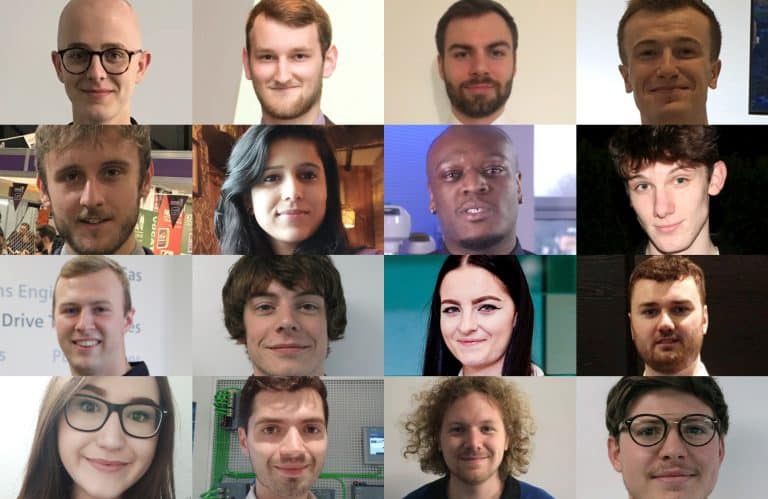
This included apprentices and young engineers at the very start of their careers with Siemens Digital Industries in Manchester and Congleton, who, from their kitchens and bedrooms, helped design and build a factory from scratch and scale production from 10 ventilators to 1,500 per week.

Using Siemens’ digital enterprise portfolio, they were able to design, validate and deliver a sub-assembly factory with manufacturing capacity for 1,500 ventilators per week within four weeks, against an industry norm of over 12 months.

Led by Andrew Peters, managing director of Siemens’ digital factory in Congleton, the first major achievement by the team was to create a digital twin of the Airbus AMRC Cymru in Broughton – one of seven new large-scale manufacturing facilities needed by the consortium – within 48-hours.

Siemens’ Plant Simulation software played a key role in optimising the layout of the factory, reducing the physical footprint of the production lines and workstations from initial estimations of 90 to 30, a 66 percent saving. It was also used to determine the fastest and most efficient build sequence and reduced the number of people required.

Reflecting on the challenge Ben Apps, 28, Plant Layout and Virtualisation Engineer at Siemens Congleton, said: “Not only did we have to find a solution to enable us to ramp up production from 10 ventilators, we had to use multiple production lines and ensure social distancing of the hundreds of operators.

“By creating a digital twin of the AMRC, mapping every inch of the available space, calculating all throughput, and using 3D design tools, we were able to maximise production massively. What was also remarkable was that digital tools enabled us to design the production line virtually in six days, saving thousands of pounds and hours in the real world.”

Digital tools also enabled Siemens to convert 3D CAD data in Cortona to allow product and process visualisation in a standard web browser. This enabled the rapid training of 550 Airbus volunteer operators within two weeks.

Matt Danby, 24, a production engineer at Siemens Congleton, was tasked with developing the fastest and most efficient build sequence and training the operators.

“The ventilator is a complicated product with 400 individual parts,” he said. “To design a brand new build sequence would normally take anywhere between 6-12 months. We managed it in two weeks which is staggering.

“We were also able to incorporate digital work instructions that played an animated work sequence which allowed the operator to change the viewing angle, pause and see the products virtually in snapshots. It helped speed up the training process.”

Elliot Bloor, a Higher Industrial engineering Apprentice at Siemens Congleton, worked on the timings for production.

“Our starting point was a video from building a ventilator,” he explained. “We had to break that down into chunks and take timings. We put that data into Siemens’ Plant Simulation software. From that we could determine how many ventilators we could make in a day or week, and how many operators we’d need to make them. That simulation allowed us to be able to say to partners and the government how many we could build and what we needed to build it.”

Once manufacturing had started, Siemens DI also drafted in 11 of its young engineers to solve a problem which was slowing up assembly of a key component of the ventilator.

Using a four-day hackathon, and under strict social distances measures, the group – which included Michal Zlotek, Joe Tasker, Zack Brown, Ben Parry, Liv Kelly, Matt Clarkson, Ryan Durbridge, Anubhi Khandelwal, Connor Hendry, Jess Reading, Elliot Baskerville, Gabriel Vijent and John Mackey – used Siemens NX and Solid Edge CAD software to design, simulate, build and test a manufacturing aid that helped reduce the calibration time from 40 minutes to two.

The team even went one step further and designed a fully automated solution with the potential to cut the calibration time to just two seconds.

Conor Hendy from Siemens Manchester said: “I am really proud of the solution we found and under such difficult circumstances. It was an incredible experience to play a part in such an important challenge.”

The contribution enabled the ventilator peak production to exceed 400 devices a day and for the consortium to achieve its life-saving goal.

Reflecting on the achievement Brian Holliday, Managing Director, Digital Industries, Siemens UK and Ireland, said: “I feel incredibly proud to be part of a team which went above and beyond to make what seemed impossible possible.

“Our engineers, including many apprentices at the very start of their careers, have absolutely demonstrated the power of teamwork and digital enterprise tools. These young men and women can now take these valuable lessons and experiences in the next step of their careers with Siemens and become the manufacturing leaders of tomorrow.

“The Ventilator Challenge UK has been a project of extreme collaboration. This was achieved with ownership culture and leadership without ego. Internal divisions and competitor norms were carefully set aside for the greater good for society. Long hours were worked, sometimes away from families, often from home under lockdown but the team remained focused and passionate knowing that every ventilator produced can save a life.

“The project is a celebration of our people, the power of engineering and manufacturing. Using our digital tools made the impossible reality. Companies that were customers became partners and we can build on that as a legacy.

“Siemens used digital tools and engineering talent to design and deliver an NHS ventilator factory in record time to save lives.”

Manchester creative collective Inc & Co announces a £10 million turnover in its first year

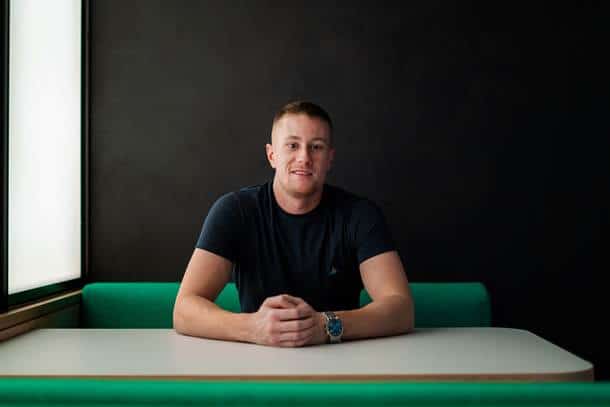
Manchester-based, creative collective Inc & Co is celebrating a year in business by announcing it has had a £10 million turnover and grew its agency businesses from one to six in 12 months.

Boasting an impressive increase of 11% in month on month income, Inc & Co was created by Jack Mason who had a vision to support digital business and agencies in the UK.

Starting with five members of staff in 2019, Inc & Co now employs 120 staff across the collective. Inc & Co is recruiting for an additional 20 staff across the businesses, which operate across Leeds, London and Manchester.

Founder and CEO, Jack Mason, says “We’ve invested heavily in the last 12 months and I like to think we’re inventing the new normal for doing business in the creative sector.”

“The secret to our success is not focusing on only one type of business, we currently have a software development company, digital marketing agencies, and our most recent acquisition of Skylab, a digital strategy and production company working with some of the biggest names in sport – we are ensuring we have variety.”

“Last year we brought on board Laundrapp, a service that offers on-demand laundry and dry cleaning, who experienced huge growth during lockdown. Laundrapp has recently partnered with Mumsnet and we are looking forward to progressing with the Mumsnet platform partnership.”

The creative collective provides each of the businesses access to centralised resources such as business strategy, finance, HR and marketing. This allows each member of the Inc & Co creative collective to grow and develop by allowing them the time needed to focus on what they’re best at.

Nigel Collier, joins as Head of Innovation at Inc & Co, from recent acquisition Skylab and says of the move: “Our vision at Skylab is world-class work on a world stage. Joining forces with Inc & Co gives our staff and clients the additional resources we need to achieve that vision.”
Inc & Co recently launched a property investment group, Inc & Co Property, that has acquired the serviced office accommodation specialists, Prospect Business Centres. Rebranded under incspaces, it offers managed office space in Leeds, London and Manchester with plans to expand throughout the UK.

Mason continues, “It’s an exciting time for the Inc & Co brand. Our collective is going from strength to strength and we’re aiming to double turnover in the next 12 months and bring a diverse set of companies into the group.”