11.7 C
Manchester
Thursday, May 7, 2026
Home Blog Page 353

Growing tech firm makes two senior hires

Manchester-based tech firm Shopblocks has made two key hires as part of its growth strategy.

The company, which produces bespoke ecommerce websites at scale, recently signed a six-year lease on 6,500 sq ft offices in No 1 St Peter’s Square in Stockport after closing a £1.2m funding round.

Kristian Hunt has joined as Chief Operating Officer from leading Manchester audio branding agency PHMG after an 18-month search.

Stacey MacNaught has also joined the board as non-executive director after advising the company on its SEO and follows the recent appointment of former Proactis Managing Director Craig Slater, as a non-executive director.

Hunt said: “I’m delighted to join Shopblocks on the next stage of their journey. I’m really excited by the potential and the projections for growth.”

CEO and co-founder Kevin Jones said he was delighted by the latest appointments.

“We’ve never had a COO before and it took us 18 months before finding the right one,” he said.

“It was always in our plan to recruit a third director alongside myself and my fellow co-founder Stewart Reynolds and Kristian has been able to hit the ground running.

“Kristian has come from a business in PHMG that has so many parallels to Shopblocks. He joined as account manager when they had 40 staff and rose up through the ranks and left when they’d grown to 500 staff.

“As for Stacey she’s one of the best digital marketing people there is and regularly speaks all over the world. She’s working very closely with our marketing team.”

Shopblocks was officially launched in 2018 after two years of planning and has doubled in revenue every year since and now has more than 1,500 customers worldwide.

Business and tax advisers expand in Altrincham

0

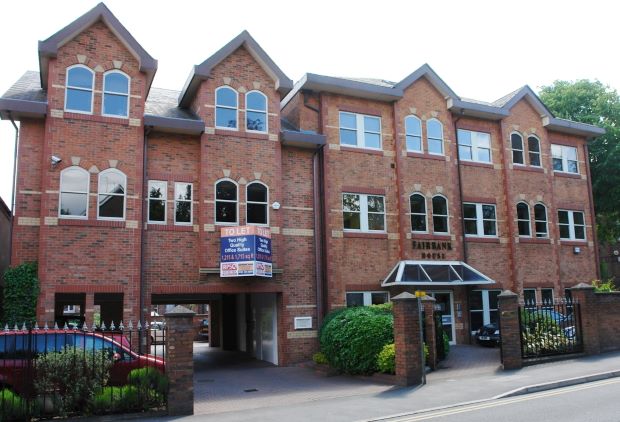
MBL (Business & Tax Advisers) Ltd is moving to Fairbank House, Ashley Road, Altrincham.

MBL pride themselves on solving the financial essentials related to running a business including accounts, administration and VAT across the property, creative, family owned and growth business sectors.

It has taken an assignment of a 5 year lease from 2020 for a second floor suite providing 1,100 sq ft, in this 9,000 sq ft office building, at a passing rent of £21,000 per annum.

Mike Bulcock, managing director, MBL, said: “We have out grown our offices in Broadheath and this move to newly refurbished offices within the town centre has met with universal approval from the team and we look forward to building on our success in the future as we continue to expand our client base”.

Daniel Lee, Regional Property Solutions, who acted for the landlord Hyrst Garth Estate Limited, said: “This office suite was previously occupied by Forever Legal which has moved to larger offices in nearby Lindley Court and we negotiated the assignment of its lease to MBL”.

Tenant Advisory Group acted for MBL (Business & Tax Advisers) Ltd.

Could an R&D Claim Help to Offset Rising Business Energy Bills?

Ofgem’s energy price cap announcement has made clear that energy price hikes will hit consumers hard this year. Yet as the cost of fossil fuels continues to climb, soaring energy bills are likely to be just as devastating to businesses, at what has already been a difficult time for many.

Household bills are likely to jump by 50%, rising by nearly £700 for the average household. According to sources, wholesale gas prices have increased by 250%¹ since last January leading to price hikes across the entire energy market. Corporate energy bills too are rising at an unprecedented rate and the fact that the energy price cap does not cover small businesses means the impact is even greater.

A small business with an average annual electricity usage of 25,000kwh and gas usage of 30,000kwh, will likely see bills rise by up 200% based on January 2021, meaning it would rise from £5,118 to £10,236 with the changes coming into play. A medium-sized business could see bills grow from £9,437 to £18,946, based on a 50,000 KWH usage on electricity and 65,000kwh usage on gas.

In reality, prices could increase by an even largerpercentage; and all of this comes at a time when many businesses are struggling to recover to pre-pandemic levels.

According to research by payments service NatWest Tyl,almost 65% of SMEs are spending up to one-fifth of their total business costs on energy consumption, while 8% of SMEs are spending a whopping 35-50% of their total business costs². And nearly 70% of small and medium businesses believe that energy costs impact their growth.

There could however be a ray of hope for business owners faced with unforeseen charges, especially those that have undertaken research and development projects in this or the previous financial year.

R&D Claims to Offset Energy Price Rises

The HMRC tax incentive scheme was set up in 2000 to help stimulate growth and innovation across the UK. The scheme is aimed at UK limited businesses from start-ups to established firms, with the potential to access a tax refund or tax credit for any eligible research and development work conducted.

The average claim for a small to medium sized business is £53,000, which would more than cover increasing energy costs.

Our average claim of £53,000 would cover electricity and gas usage for a small business for the next five years.

A medium-sized business (one with less than £50million turnover/250 staff), could offset the costs of energy for the next 33 months (two years and nine months) with the average sum of one of our R&D claims.

Any research and development project should make a business eligible, with the only stipulations being that the project relates to your company’s trade and evidence can be provided to show how it:

Looked for an advance in science and technology.
Had to overcome uncertainty.
Tried to overcome this uncertainty.
Could not be easily worked out by a professional in the field.

The research/development phase is enough to qualify in most cases, with no rule to say the product or servicemust be finished or brought to the market.

Mark Joyner of Research & Development SpecialistsLTD (RDS) (www.randdspecialists.co.uk) a specialist firm that helps business nationwide to navigate from the exploratory phase right through to successful claims of tens of thousands of pounds, said:

“Every business has felt the pressure of rising energy bills, including our own. Many companies have been in the position where they have had to use reserves or contingency funds to stay afloat during the pandemic, so now they’re completely exposed by the rising energy bills they face.

“What I love about what we do is that we are able to help business owners with a real cash injection into their business, which can then be spent on any business need. Whether that is on further investment to grow and improve the business or to cover unforeseen costs such as rising energy bills that could not have been predicted.

“Our sole purpose is to steer business owners through the process of a HMRC tax incentive claim, by making it as easy and straight forward as possible. Very often all we need is a fifteen-minute conversation to find out if a company is eligible and then we will do all the hard work from thereon in. We are completely transparent at every stage and ensure we limit the time demands on our clients leaving them free to complete their daily operations.”

Although there are different types of R&D scheme depending on whether you fit HMRC’s guide as being an SME or large company, eligibility to claim is focussed on the research project rather than the type of business. Itis completely open to businesses in any sector. Typically, an R&D claim can be submitted for a business’s current and previous financial year.

For more information visit https://randdspecialists.co.uk/.

RAF Benevolent Fund’s new website takes flight


The Royal Air Force Benevolent Fund has launched a new web platform https://www.rafbf.org/ to drive more online donations and provide a comprehensive audience-focused resource that can better support those who need the charity’s services.

The new platform has been designed and developed by digital experience agencyAccess.

The RAF Benevolent Fund assists veterans and serving Royal Air Force personnel with welfare support. This also extends to their families.

The new website introduces innovative technical features including a support finder tool, which provides faster access to relevant pages; a new online beneficiary form to replace a PDF process and a Progressive Web App to enable quick app installation to devices.

Site editors can also easily create and update microsite pages using the new platform. Microsites include RAF Widows’ Association, the RAF Disabled Holiday Trust and the Alexander Duckham Memorial Schools Trust. These microsites contain alternative brand colours and content. The build process included utilising a colour palette option in a settings area for the content types, and setting up a series of pages and content related to one site, where site editors can alter the colour palette for each page.

Ruth Patterson, Digital Engagement Manager, from the RAF Benevolent Fund said:
“Through in-depth audience research and user feedback we have created a web platform that will better meet the needs of all of our audiences. Our website serves two core functions, and we’ve facilitated the best user journeys for each.

“For those wanting to support us, the means to donate or get involved in fundraising is a much simpler, audience-focused journey. We’ve developed a suite of features that will help us to build stronger ongoing relationships with supporters, and promote
advocacy to get involved with us.

“For those that need support, we’ve expanded our services to beneficiaries and improved accessibility to our resources so that they are clear and easy to find. Our new site also hosts an array of content so being able to access this in a more intuitive way is a huge step forward.”

Patrick Hamilton, Operations Director at Access, said:

“Central to the new platform is that different user’s needs have been considered at all stages of the journey, alongside a fresh and inspiring design. Our development process began with in-depth audience research, creating personas and holding interviews, before moving on to prototyping and validation.

“Using our Drupal experience we’ve created a best-in-class experience that is both user friendly and easy to manage, to meet all of the charity’s objectives including a need for greater efficiency and measurability. Accessibility and the user journey is front and centre at all stages, alongside a fresh and inspiring design.”

rafbf.org/ www.weareaccess.co.uk

Social Republic Appointed By Greater Manchester Cancer For Omicron Campaign

Greater Manchester Cancer Alliance has commissioned global social media agency, Social Republic to deliver its Omicron awareness campaign.

The agency will be responsible for raising awareness of cancer symptoms and the importance of attending hospital appointments during the pandemic across Facebook, LinkedIn, Twitter and Instagram.
Greater Manchester Cancer Alliance has a broad focus, from prevention and early diagnosis to living with and beyond cancer and end of life care.

Anna Perkins, Communications and Engagement Lead at Greater Manchester Cancer Alliance commented:

“We’re looking forward to working with the Social Republic team to help our social media activity reach users across Greater Manchester.

It’s imperative that patients continue to contact their GP or attend hospital appointments and we will utilise the power of social networks to spread these messages.

Campaigns will provide an educational element by highlighting symptoms that people should not ignore.”

CEO of Social Republic, Rob Illidge added:

“Having previously worked alongside the NHS and skin cancer charity, Melanoma UK, we’re passionate about using social media to share timely and educational content that will benefit users within Greater Manchester.

Whilst we’re in the midst of a global pandemic and with World Cancer Day taking place on the 4th February, it’s more important than ever to produce scroll-stopping campaigns that help organisations raise awareness.”

Social Republic has established itself as a leading agency for non-profit organisations, working with the NHS, British Red Cross, Melanoma UK and Gina Bachauer International Piano Foundation in the United States.

North West’s critical industries warn of £1billion energy bill amid price rises

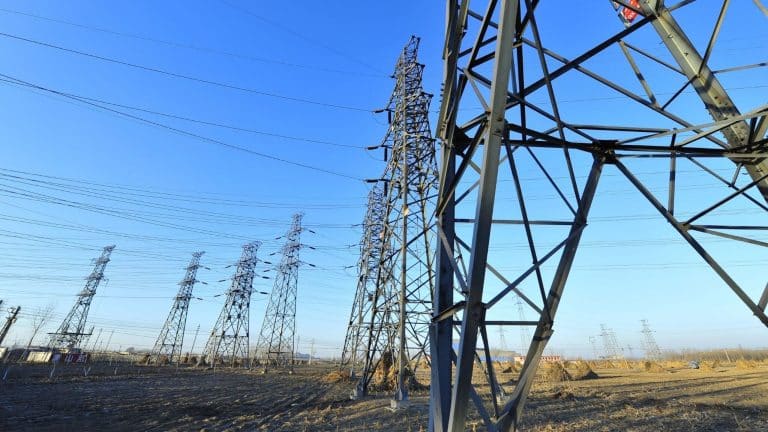
Industries in the North West of England say, without intervention, rising energy prices could hit British manufacturing and lead to closures or reductions in production of critical services and products.

Just four of the members of Net Zero North West (NZNW) are facing a collective energy bill of up to £1 billion in 2022 – a projected increase of around 65% since 2020. These increasing costs could ultimately be passed down to the consumer leading to prices increasing in a wide range of sectors including food & drink products, water treatment, medical supplies, automotive and construction to name a few.

The North West boasts the largest concentration of advanced manufacturing and chemical production in the UK and is home to a cluster of energy-intensive users. These businesses are trying to pass through the unprecedented hike in energy prices while also addressing the challenges of decarbonisation.

NZNW is calling for an integrated, long-term and resilient UK Energy Strategy to protect against pressures such as increasing energy prices and enable the transition to net zero. The group has set out a short-term transitional energy strategy up to 2030 to provide affordable electricity and natural gas to include:

· Affordable electricity to support rollout of electric vehicles
· Increased levels of renewable energy
· Market support to support hydrogen production to decarbonise heat and transport
· Local energy networks to help manage costs
· Affordable natural gas for industry as a feedstock
· Small modular nuclear reactors to generate electricity and low carbon hydrogen
· Carbon pricing to be introduced which protects low carbon domestic industries from competition with high emission imports.

Carl Ennis, Chairman of Net Zero North West and CEO, Siemens GB&I said:

“Both homes and businesses are feeling the squeeze of soaring energy prices. Rocketing prices hit energy-intensive industries hard, with many manufacturing critical products on which the UK relies. Just Net Zero North West members alone are facing a projected £1 billion energy bill, a staggering amount when you also consider inflation is also impacting costs across the board for businesses too.

“We need a net zero strategy that addresses the pressing need to support industries to decarbonise as well as secure our energy supplies. The North West has all the ingredients to underpin a long term, resilient net zero energy system in the UK with a diverse mix of wind, biomass, tidal, solar, nuclear and hydrogen. We have highly skilled industries that are ready to invest in the technologies to drive low carbon products and growth.”

NZNW’s newly-published paper ‘Energy Prices and System Resilience’ [download here] details how increased worldwide energy and gas demand has pushed up prices across the globe, with wholesale gas prices increasing by 250% since the start of 2021. It also highlights why the UK is particularly vulnerable to the pressures, being still heavily reliant on gas and the UK’s energy-intensive industries facing some of the highest electricity prices in the EU due to complex on-costs.

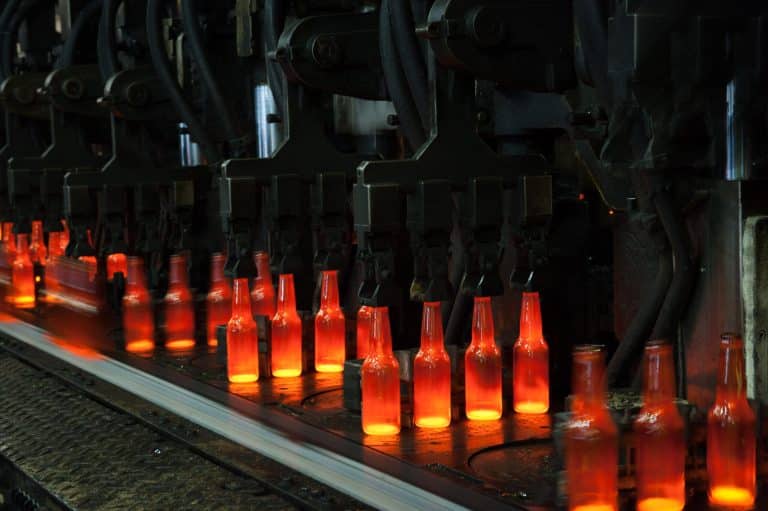
Adrian Curry, is Managing Director of Encirc, a leader in glass container manufacturing with a plant in Cheshire, producing around four billion glass bottles and other containers a year from its bases in the UK are Ireland. He said:

“With a concentration of energy intensive industries in the North West we’re particularly susceptible to price increases, but we can’t let this derail the journey to net zero. Competitive energy is crucial to decarbonisation and we need to ensure the future of our vital industries with a transitional energy strategy that provides affordable electricity and natural gas.

“We need to remain competitive internationally otherwise we risk offshoring the problem with our industries shutting down and production happening overseas. We need a clear trajectory for business which encourages investment rather than disproportionally impacting certain industries. In the longer term, the UK’s energy strategy needs to take into account the needs of manufacturing regions such as the North-West to support regional clean growth and the levelling up agenda.”

Net Zero North West has previously launched a landmark Economic Investment Prospectus which was authored by top analysts at Siemens and launched last summer at a special event with Business Secretary Kwasi Kwarteng, setting out 18 investment cases for a pipeline of long-term and shovel ready green projects.

Freehold office investment sold for £1M

0

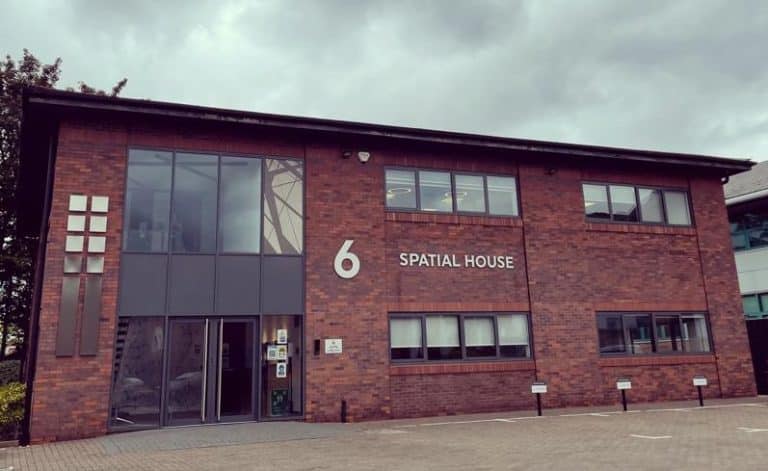
The freehold office investment at 6 St George’s Court, Altrincham Business Park, Broadheath, Altrincham has been sold by the previous owner occupier, Spatial Office Environments, for £1M to a private pension fund.

Daniel Lee, managing director, Regional Property Solutions, who sold the property on behalf of the vendor, said: “This was an off market sale which realised the highest capital value of £200 per sq ft that has been achieved in Broadheath in the last 10 years and reflects the quality of the building and its interior.”

The high spec office building was bought in a dilapidated state and then extensively refurbished as a showcase of Spatial Environments fit out capabilities. It provides 5,000 sq ft of premium office space on the ground and first floor.

Phil Simmonds, managing director, Spatial Environments, said: “Whilst a home to us for a only a few years, this out of blue opportunity has allowed us to push forward with our expansion plans with a new building and an all new workplace showcasing our prowess once again”.

Nick Davies, partner, Axis Property Consultancy, who acted for the purchasers, said: “The property will be occupied by 3mc, a leading mortgage company, who are delighted to be taking this excellent office building and expanding their presence”.

Six & Flow drives launch of first ever Global HubSpot Alliance initiative

Six & Flow, the Manchester-headquartered growth agency, has teamed up with a network of agencies around the world to launch (31st January 2022) the first ever Global HubSpot Alliance which aims to help organisations that want to scale their operations globally, as well as multi-nationals and those looking to expand into new regions.

HubSpot is a leading CRM platform that is used by millions of businesses around the world to drive their marketing, sales and customer service strategies.

The new alliance, which includes Six & Flow, Webs, Hype & Dexter, InboundCycle and Media Junction, has been created to offer clients a carefully curated agency network that can work together to tailor – and then deliver – multi-territory, integrated and transformational HubSpot rollouts and marketing campaigns all under the overarching mantra of: Local hands, global reach.

Each elite partner agency will focus on specific territories ensuring first-class market knowledge and insight is delivered whilst sharing ideas, messaging and strategies to ensure real campaign cohesion and results are achieved.

Six & Flow will be focussing on Ireland, the UK and Canada; Webs on the Netherlands and Germany; Hype & Dexter on New Zealand and Australia; InboundCycle on Spain, Chile, Mexico, Brazil and France; and Media Junction on the USA.

This geographical spread will provide clients with access to 15 different countries from 250+ certified HubSpot professionals.

Rich Wood, managing director of Six & Flow, said: “The new Global HubSpot Alliance has been a long-time in the making and is a step change in how agencies collaborate. The integrated approach will be all about leading our clients’ marketing strategies, building and executing their sales strategies and assisting with HubSpot integrations and implementations.

Rich added: “A lot of thought and planning has gone into this alliance and we believe that we have created something truly unique. It is made up some of the world’s leading growth experts who, for the first time, will work together on an international basis. This level of integrated, multi-territorial collaboration is a first and is a real opportunity for those companies wanting to achieve global scale and growth as we emerge from the pandemic.”

Think net zero won’t impact you anytime soon?

Kevin Lambert explains why net zero greenhouse gas emissions should be on the radar for SMEs as well as large organisations, and how the Hub’s Journey to Net Zero programme can help.

The UK has committed to reaching net zero emissions by 2050. It would be easy to think this is something only large organisations need to worry about in the near term. With the date so far away and there being so many larger companies – with larger carbon footprints – to focus on, how could the responsibility to act now land on the doorstep of smaller businesses?

This isn’t tomorrow’s problem

2050 isn’t as far away as it first appears. To keep ourselves on track, we actually need to be over three quarters of the way there by 2035. It will require achieving the same reduction in emissions that we managed over the last three decades again, but this time in half the timeframe. The North West region aims to move even faster, reaching net zero carbon by 2040 at the latest, and as soon as 2038 in Greater Manchester. The heavy lifting will occur in the 2020s, not the distant future.

The screw is already turning on the largest emitters. Hundreds of the world’s largest companies have now set their own net zero targets – often in advance of 2050 – and are looking closely at where their biggest sources of emissions are.

Attention is turning to suppliers

This is where SMEs come in, because it is in the supply chain where the majority of a large organisation’s carbon footprint lies. As businesses begin to adopt and act on their net zero goals, scrutiny on suppliers will increase.

Many of the biggest companies, from HP to Heineken, have already committed to net zero across their supply chains before 2050. Recent research by Standard Chartered found that two thirds of multinationals are prioritising their supply chain emissions in their net zero transition, and almost four in five say they plan to remove suppliers that “endanger” their carbon reduction plan by 2025.

[How to be a ‘net zero ready’ supplier]

Procurement is changing

The public sector is also looking at its supply chains. From September this year, companies will not be able to bid for large government contracts unless they have committed to net zero and published their own carbon reduction plan. Procurement teams throughout the public sector have also been directed to take account of a bidder’s approach to climate change and net zero in any tender, regardless of the value.

This trend is both a huge risk and a huge opportunity for SMEs. Those that are not adequately prepared to answer questions from customers about their environmental impact or carbon footprint, risk losing out on business. Those that can demonstrate strong green credentials and have their own strategy for net zero have a massive advantage over the laggards.

[A beginners guide to carbon footprinting]

It’s a win-win

Improving competitiveness in the market is far from the only driver for SMEs to reduce their carbon footprint. SMEs are responsible for almost half of the UK’s business-related emissions, a sizeable portion of which can be eliminated through low or no cost energy and resource efficiency measures that benefit the bottom line, increase resilience, and improve productivity.

Improving environmental sustainability is also something that all stakeholders increasingly expect to see, including employees – especially younger generations, who often value this in their employer more than their remuneration package.

Knowing where to start

The trouble is, most SMEs don’t yet have the resources or capability to capitalise on these opportunities. For a small organisation short on time, it can be hard to even know where to start with such a huge topic.

That’s why we have launched Journey to Net Zero – a fully-funded online programme exclusively for SMEs in Greater Manchester who are at that early stage of getting on the path to net zero.

The programme is delivered via a mix of group workshops and one-to-one advice by our Resource Efficiency team, who collectively have over 150 years’ experiencing supporting SMEs to become cleaner, greener and more profitable.

There is no better time than now to join the transition and put your own strategy in place.

[Start your Journey to Net Zero here]

This blog was first published by Insider North West.