15.2 C
Manchester
Friday, May 1, 2026
Home Blog Page 487

Siemens’ MindSphere helps Hosokawa Micron connect its entire digital factory

A collaborative digital technology project between Siemens and Hosokawa Micron Limited (HML) has helped its customers improve productivity by 15% and reduce energy costs by 10%.

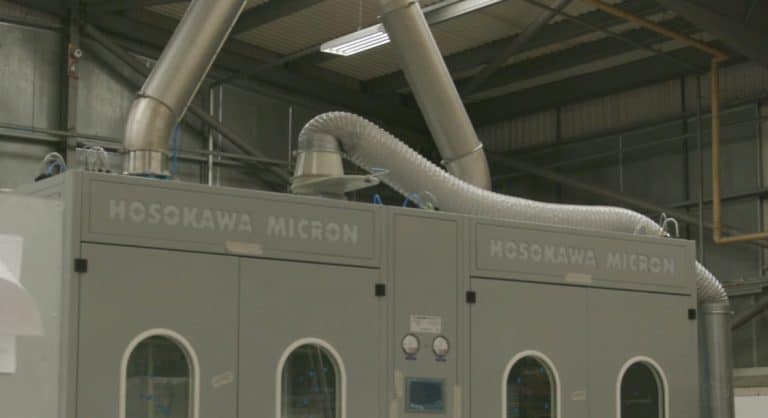
The project – Hosokawa Gen4 – introduced Siemens’ MindSphere IoT operating system to HML’s manufacturing facility in Runcorn, Cheshire.

Using the digital technology platform HML, a global leader in powder processing equipment, was able to integrate assets across the factory to remotely monitor the performance of equipment and plan.

This included real time values and trending for key measurements, diagnostic alerts and warnings of problems detected in machinery.

The deployment resulted in HML’s customers reporting around a 15 per cent improvement in uptime, capacity gains of between 10 to 12 per cent, and reductions of energy of more than 10 per cent.

Iain Crosley, Managing Director at Hosokawa Micron Ltd, said: “Since the start of our journey of advanced digitalisation in our factory in the last three to four years, we have grown our own output significantly year-on-year.

“Not only have we digitalised our own production factory but the machines we deliver to our customers are of higher digital value, primed for better productivity.”

It is the latest success in a long-standing working relationship between Siemens and HML going back over 20 years.

Ian Elsby, Head of Chemicals UK & Ireland, Siemens Digital Industries, said: “Our partnership with Hosokawa has always produced tremendous results and this is purely because we share best practice and learn from each other. We are constantly looking for new solutions to create a better and digitally superior product for their customers.

“Industry 4.0 is constantly evolving, and so is our alliance. We are able to bring to the table the challenges from the varied verticals we work in and share the outcomes of positioning in other industries, helping Hosokawa harness that knowledge to boost their digitalisation process.”

While a leader in manufacturing processing equipment used in the pharmaceutical, chemical, mineral, and food industries, it was challenging for HML, a company that has a 100-year legacy, to find solutions that were new and digitally smart with a great ‘value add’ for its customers.

Inspired by a vision to go a step further and stay ahead of the game, HML looked to to help them achieve their new goal.

The Hosokawa Gen4 project was launched in 2018.

Crosley recalls: “Our partnership with Siemens is over two decades old and we have been using their control and instrumentation – the Siemens PLCs – in all our products. Having our own Gen4 products, we remained both competitive and digitally viable for our customer base. But we wanted to enter the next phase of digitalisation.

“This is when we found Siemens’ MindSphere, which we realised would give us the complete architecture to provide a holistic solution to our customers.”

At HML, the machine and processes are controlled through Siemens’ programmable logic controller (PLC) and, in some cases, using supervisory control and data acquisition (SCADA) or Distributed Control System (DCS). To enhance its processes an in-house intelligence solution was being used to extract and analyse the data, and improve performance.

HML’s management realised that to stay competitive and make deeper inroads in the Fourth Industrial Revolution, it was important to keep up with big data and analytics demands.
The solution was Siemens’ cloud-based internet of things (IoT) open operating system, MindSphere. It connects the entire environment of products, plants, systems, and machines, enabling the harnessing of a wealth of data with advanced analytics. In addition, it gives access to a growing number of apps and a dynamic development ecosystem. MindSphere works with all popular web browsers.

“Our decision to use Siemens was simple really. Just like us, they are a process engineering company and so they understand the requirements and problems in transferring process data especially, high volumes of data,” added Crosley.

“Add to this the challenge of cyber-attacks, which is an important aspect of any new technology and we were rest assured that Siemens had in place best-in-class industrial cyber security.”

Siemens has adopted the highest cyber security standards for its products and services such as the international IEC 62443 standard while also adopting other relevant standards that are used throughout its global business to demonstrate a consistent approach to security such as the ISO 2700* series of standards.

Data analysis is ubiquitous in any setting. Siemens’ MindSphere offers access to maximum data extraction and powerful data analysis and visualisation, giving manufacturers new insights into making changes with real productivity impact.

HML set the following key performance indicators to maximise data analysis: quality, energy usage, environmental conditions (internal and external), process parameters and the factors affecting them.

“We work on three levels: understanding the data, monitoring it and controlling it,” added Crosley. “The methodology of data acquisition and the manner of using it have changed and become more refined, allowing better production output decisions.”

With the integration of its assets across the factory in Runcorn, HML was able to upgrade its existing in-house app ‘Hosokawa ReMs’ to remotely monitor the performance of Hosokawa equipment and plant, including real time values and trending for key measurements, diagnostic alerts and warnings of problems detected in machinery. App users have varied options on how they want to use it, including a servitisation model from HML on providing solutions for any data anomalies that may show in the analysis.

Crossley added: “Applying the five P’s to any new technology is crucial to its success. People, plant, process, products and profit, as well as the attitude of the people and the integration of a plant’s operations and processes, enhance the end product, ultimately adding to bottom line profits.”

Zeus Capital advises on £22.6m Moss Bros take private

0

Zeus Capital has advised Brigadier Acquisition Company on its take private of Moss Bros in a £22.6m transaction.

The ultimate shareholders of Brigadier have extensive experience in the apparel industry with businesses in several global markets and hope to use their experience and contacts to improve the performance of Moss Bros as a privately-owned company.

Moss Bros is a heritage British formalwear retailer established in 1851. The firm has provided quality tailoring to generations of men, with in excess of 120 stores across the UK.

The transaction was complicated by the introduction of a nationwide UK lockdown and closure of retail stores due to COVID-19 approximately two weeks after announcement of the recommended acquisition.

Zeus Capital advised Brigadier on navigating the process of attempting to lapse the offer. Whilst Brigadier ultimately chose not to pursue this process beyond a first stage takeover panel ruling, the Zeus team demonstrated its ability to advise clients on the most complex issues in takeover code transactions in what was a landmark deal of its type.

The Zeus Capital team was led by Richard Hughes and Jamie Peel, and also included Dan Bate, Kieran Russell and James Edis.

This deal is the fifth that Zeus Capital has completed since the UK lockdown commenced, and also represents the fourth completed takeover code transaction that Zeus Capital has advised on in the last 12 months.

Jamie Peel, Director of Corporate Finance at Zeus Capital, said: “The advent of COVID-19 and the UK lockdown created both technical deal complexity and real business challenges for Moss Bros, but we are hopeful that with Brigadier’s support, a heritage UK high street brand can be saved and returned to profitability.

“This deal is the latest in a series of completed public to private transactions for Zeus Capital, and has cemented our leading position in the mid-market for takeover deals. Our pipeline of similar deals is strong, with private equity interest in public companies increasing – we hope to continue our activity levels in this space with the support of the local PE community.”

Michael Shina, Director of Brigadier Acquisition Company, said: “Zeus Capital’s expert advice was crucial in guiding Brigadier and its shareholders through their first UK takeover transaction. Achieving announcement of our recommended offer on 12 March was an achievement in itself, but dealing with the impact of COVID-19 and the subsequent request to lapse the offer brought into sharper focus the benefit of being advised by a firm with deep takeover expertise and a specialism in public company transactions.

“Having now completed the acquisition we look forward to working with Moss Bros’ management team to stabilise and improve the performance of the business in a challenging retail environment.”

Manchester based Black Opal Travel Group host celebrity webcasts with sporting legends

Manchester based Black Opal Travel Group host celebrity webcasts to provide clients with a way to stay connected in the midst of the COVID-19 pandemic.

While the travel industry has come to a halt Black Opal wanted to find a way to stay connected to their customers and to give something back to all those who have had plans cancelled or postponed.

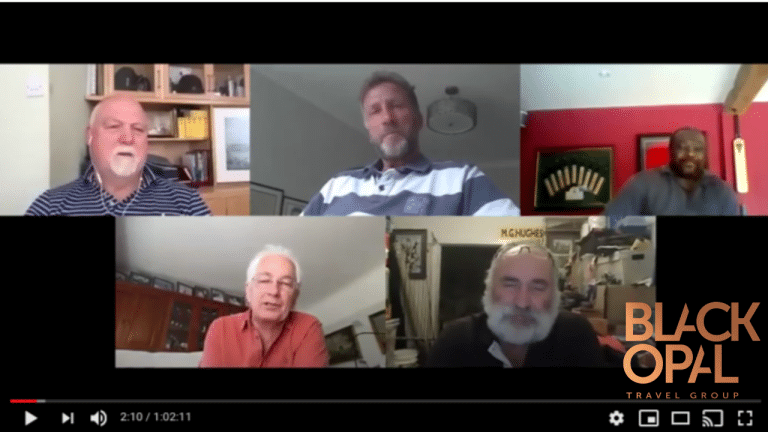
The sports travel specialists originally set up an informal webinar with their brand ambassadors David Gower, Zac Crawley, Jason Roy and Gladstone Small. The format was so greatly received by cricket fans who were in much need of their cricket fix, that the idea has now been developed into a range of live webcasts with different guests and celebrity hosts from across the sporting world.

Black Opal have also partnered with the charity The Lords Taverners on a number of their At Home Social webcasts which has been a great platform to the charity while all fundraising events have been cancelled, helping to keep them to raise some much needed funds.

The free webcasts are broadcast live at 4pm on a Friday with the opportunity to ask questions live to the guests.

Upcoming At Home Socials include British and Irish Lions with Sky Sports Commentator Miles Harrison who will be joined by Lions legends Rob Andrew, Robert Jones, Rob Henderson & Scott Hastings on 12th June.

On the 19th June, they will be joined by guest host BBC’s Golf Correspondent Iain Carter speaks to stars of The Farmfoods European Legends Links Championship Ian Woosnam OBE, Peter Baker and Paul Lawrie OBE as they discuss the Ryder Cup past and present.

The Heaton Group completes on new residential development

0

North West property investor The Heaton Group has completed works on its latest residential development, Stone Cross House, in Bolton town centre.

Situated within the £150m Church Wharf regeneration area, Stone Cross House has been redeveloped from disused office premises into one and two-bedroom luxury apartments with car parking available for tenants.

Comprising 61 units, Stone Cross House is Bolton’s first high-specification, “city living” style apartment block, with a top-floor penthouse and rooftop terrace. The group has started taking viewing requests from both tenants and prospective investors, with a limited number of investment properties still available.

Manchester commercial law firm Kuits is legal advisor to The Heaton Group. A team, led by residential property associate Claire Heron, worked in partnership with the investor throughout the lockdown period to progress purchases in a timely manner.

John Heaton, Managing Director of The Heaton Group, said: “During the current pandemic, we have continued to progress developments, working professionally and continually adapting to keep within government guidelines at all times. This has resulted in the Stone Cross House build continuing on-schedule, meaning it’s now ready for completion and tenants to move in this month.

“We remain optimistic about the future and are currently working with Kuits to acquire and obtain planning for new key sites around the North West.”

Claire Heron, residential property associate for Kuits, said: “Throughout the lockdown period, it has been crucial for our developer clients that we continue to drive through purchases smoothly and in a manner reassuring to their buyers. Working remotely, we have been able to achieve this with absolutely no impact on our high service levels.

“Our current view of the market is that things are starting to pick up again and there are significant opportunities to be had for the developers, such as The Heaton Group, displaying confidence in the future. There is certainly a danger emerging that developers and investors too slow off the mark will get left behind.”

Express Solicitors appoints new Chief Financial Officer to oversee continued growth

Pauline Reeves has been appointed by Manchester-based personal injury (PI) law firm, Express Solicitors, as its new Chief Financial Officer.

With years of experience in acquisitions and financial management, Pauline will play an integral role in growing the 320-strong firm by overseeing the purchase of UK PI firms, as well as taking responsibility for financial management, reporting and strategy.

A commercially astute Chartered Accountant who launched her career 25 years ago at Ernst & Young London, Pauline’s more recent positions include Head of Group Finance at Empresaria Group, Finance and Operations Director at Ntrinsic Holdings and Chief Financial Officer at Join the Dots Limited.

Pauline said: “I’m delighted to join the strong and dynamic management team at Express Solicitors and to be part of their continued growth plans.

“The firm has a great reputation in the market, a high calibre of employees and a commitment to continued growth. I look forward to helping the firm to achieve its growth ambitions, both organically and through acquisitions.”

Managing Partner James Maxey said: “The aftershocks of this pandemic and the changes to legislation next year could potentially lead to further consolidation in the PI sector.

We are in a strong position to capitalise on this consolidation and see the addition of Pauline’s experience in corporate acquisitions and strong financial management as key to achieving our ambitions to further grow our market share.”

Express Solicitors is ranked in The Lawyer Top 200, its lawyers and the firm are recognised in The Legal 500 and noted in Chambers and Partners. Express Solicitors specialises in personal injury and accident claims, clinical negligence claims and serious injury cases.

Manchester Airport’s Community Trust Fund backs local groups in Covid-19 relief effort

0

Funds pledged by Manchester Airport’s Community Trust Fund will help 15 organisations across Greater Manchester
A total of £21,714.68 has been allocated to groups for projects supporting communities affected by Covid-19, following a surge in applications to the Trust Fund
Donations follow inspirational effort by furloughed Manchester Airport staff, who have used their free time to help their communities
Hospices, sports clubs and neighbourhood groups are among the 15 organisations bagging Manchester Airport grants to help their Covid-19 relief efforts.

The Manchester Airport Community Trust Fund announced it was welcoming applications from groups supporting communities through the pandemic.

It received scores of bids and trustees have now awarded grants totalling more than £21,000 to a range of organisations within 10 miles of the Airport.

Among the beneficiaries are Willow Wood Hospice in Ashton-under-Lyne, which will receive £3,000 to purchase ten new iPads. The gadgets will allow patients to stay in more frequent contact with their friends and families.

Anthony Lord, head of income generation & marketing at Willow Wood Hospice said:

“Manchester Airport’s generous donation will give our patients the opportunity to virtually see and chat to their friends and family as current restrictions mean only two named visitors can call in.

“Tools like this are vital, to allow our patients some normality during these uncertain times. I am sure they and their loved ones as well as staff appreciate the help the Community Trust Fund has given us at Willow Wood Hospice.”

Trafford Veterans, Barnados Wythenshawe, the Church of England Wythenshawe and Ladybarn Community Hub will all be using their donations to buy jigsaws, activity packs and mind games to help people stay entertained through lockdown measures.

Meanwhile others such as Wythenshawe AFC and The Cherry Tree Project in Stockport are putting their money to buy sporting equipment to allow for social distancing when they can re-open.
The full list of beneficiaries can be found below.

The total figure donated stands at £21,714.68, with the largest approved individual application at £3,000.

Andrew Cowan, CEO at Manchester Airport, said: “For more than 20 years, the Community Trust Fund has supported local groups making a real difference across Greater Manchester and northern Cheshire.

“We are proud that it is once again enabling vital support to our neighbouring communities, particularly in these challenging times.”

The Community Trust Fund, which was set up in 1997, usually reviews applications quarterly, but trustees are speeding up the process for the latest applications to ensure the cash reaches affected communities as quickly as possible.

The financial support package from the Community Trust Fund follows a major volunteering campaign, led and organised by furloughed Manchester Airport workers.

The group of airport colleagues offered their time and expertise to support Covid-19 afflicted communities through delivering parcels to food banks, receiving phone calls from those who were self-isolating alone, and providing education packs for pupils unable to go to school.

The Community Trust Fund’s board next meets in October and is already welcoming applications for up to £3,000 from locally-based not-for-profit organisations. Details on how to apply and the full criteria can be found at www.manchesterairport.co.uk/community/working-in-our-community/community-trust-fund.

GCA Altium increases debt offering in Manchester with new Director appointment

Global investment bank GCA Altium has strengthened its European Debt and Restructuring team with the appointment of Gareth Owen as Director based in its Manchester office.

GCA Altium has 19 dedicated debt professionals and has advised on 35 deals in 2019 and over 100 in the last 3 years. Gareth joins the team to boost GCA Altium’s debt offering in the North, driven by increased demand in the region.

Prior to joining the company, Gareth spent 12 years at Lloyds Bank working in a variety of debt financing roles including restructuring, corporate lending and leveraged finance.

Most recently, Gareth was Head of the Regional Strategic Debt Finance Team at Lloyds Bank, based in Manchester, leading a team across the North, Scotland and Midlands. In that role he worked closely with corporate clients, private equity houses and the advisory community to structure and fund a range of debt finance deals in the UK mid-market.

Gareth Owen said: “It’s a fantastic opportunity to be joining GCA Altium which, as a firm, has a strong reputation for its dealmaking ability on a global scale. I am looking forward to working alongside the European debt and restructuring team in expanding the firm’s offering in the region and using our international connections to support companies across the North.”

Simon Chambers, Managing Director at GCA Altium, said: “We are very pleased to welcome Gareth to the GCA Altium European Debt and Restructuring team. It is a busy time for our debt teams across all regions, so the wealth of market knowledge he brings, coupled with his experience in the North will help us to expand our reach even further.”

Phil Adams, CEO at GCA Altium, said: “We are really excited that Gareth has joined us. We have built a really strong integrated UK M&A advisory business which combines local relationships with global reach and specialist knowledge. Gareth will bring additional expertise to our team in the North and provide our clients with senior, local debt advice while leveraging our European access to all of the key banks and credit funds which is increasingly important at this point in the cycle.”

MANCHESTER UNION BREWERY STRETCHES CROWDFUNDING TARGET TO £60K TO BUY CANNING MACHINE AND HIRE EMPLOYEE

HAVING SUCCESSFULLY hit its initial crowdfunding target of £40K ahead of its 16 June deadline, North West based craft lager brewery, Manchester Union Brewery, has created a stretch target for its Together We CAN campaign and now hopes to raise a total of £60,000 to purchase its own canning machine and hire its first employee.

Having lost its revenue overnight due to the UK-wide lockdown, Manchester Union Brewery launched its crowdfunding campaign to raise £40,000 in order to break into commercial retail in June 2020, by moving its product from keg to can.

Having hit target with the support of approximately 500 pledgers, a week in advance of its deadline, the brewery is now stretching its target to £60K for the final week of the campaign.

The funds raised so far will be put toward the necessary materials for canning the brewery’s craft lager, but an additional £20,000 will provide the business with the funds to put a deposit down on its own canning machine to lower the cost of canning and allow them to can small batches of seasonal and limited edition beer.

If met, the stretch target will also enable Manchester Union Brewery to hire its first employee.

Alongside its existing rewards to those pledging money, including a lifetime’s supply of lager and a 10% discount on products, the brewery is also now offering a new incentive. Those pledging £250 to the cause will be entitled to a Manchester Union brewery branded fridge, filled with lager.

The Manchester Union Brewery crowdfunder closes at 11am on Tuesday 16th June.

To pledge support, please visit: www.crowdfunder.co.uk/togetherweCAN

Jamie Scahill, Director of Manchester Union Brewery, comments: “We’ve been overwhelmed by the support and generosity we’ve received during this challenging time. When the lockdown put a stop to business as usual, we knew we would have to be bold and act fast in order to keep the business afloat – but without the help of more than 500 supporters who’ve pledged money to help us, it simply wouldn’t be possible for us to branch out into commercial retail as we’re now able to do.

“Grateful is an understatement – we’re so appreciative and over the moon at having hit our original £40K target – and to now be in a position to stretch that target and hopefully afford our own canning machine and an employee is beyond what any of us hoped for from this campaign. Thank you to everyone who has supported our cause.”

The team at Manchester Union Brewery has released a short video thanking all those who’ve pledged money to their cause so far and to share updates on the progress of the crowdfunder and its impact on the business.

Manchester Union Brewery crafts its signature lager at Manchester’s first and only dedicated craft lager brewery, located in Ardwick.

Fusing traditional central European lager brewing techniques with a modern local twist, and water from the Lake District, Manchester Union Brewery is able to create a unique legacy beer. The truly Mancunian lager boasts a bold, silky-mouth feel with a touch of caramel sweetness, followed swiftly with a refreshingly dry and bitter finish from the central European hops.

UK tech continues to attract world-class investment


As members of the UK tech sector meet virtually during #LTWConnects events, figures show UK digital tech companies are continuing to attract investment, are still advertising vacancies and are optimistic that they can navigate the crisis. On measures including investment raised by companies and capital raised by investors – which will help sustain the sector for the long term – the UK outperforms all of its European neighbours.

Just as the 2008 financial crisis triggered an entrepreneurship boom in the UK, from which Silicon Roundabout’s cluster of startups has grown into a nationwide network of more than 35,000 businesses, the report demonstrates that UK tech is resilient and has deep foundations to emerge strongly from the crisis. Tens of thousands of jobs were advertised in cities across the UK in 2019 and the start of 2020, with salaries continuing to grow well-above inflation in almost all regions.

The UK capital continues to lead the way and is now established as a global tech leader with London-based companies raising $4bn (£3.2bn) since the start of January, more than Paris, Stockholm, Berlin and Tel Aviv combined. Fintech dominates fundraising in the capital, accounting for 39% of 2020 fundraisings. Enterprise software companies raised a fifth of the money invested in the first five months of the year.

London has raised more VC investment than Paris, Stockholm, Berlin and Tel Aviv combined in 2020, although most deals would have been agreed before the crisis.

To view the full report click here

Digital Secretary Oliver Dowden said:  “The UK’s tech sector has shown resilience in these challenging times and the levels of investment in the year to date have consolidated our Europe-leading position.

“We have a vast pool of talent in the country’s digital and tech firms who have played a big part in supporting communities across the UK and beyond throughout the pandemic and I applaud them for their ongoing efforts.

“The government will continue to champion and support the sector as it navigates the months to come as we step up our Coronavirus recovery plans. We will back entrepreneurs, encourage innovators and help businesses make the most out of the opportunities the digital and tech world provides.”

UK’s position of strength

The UK’s tech sector went into the Covid-19 crisis in February in a strong position. From January to the end of May, tech companies raised $5.3bn (£4.2bn), compared to a total raised in the rest of Europe of $4.1bn. However, there are concerns that many of these deals were agreed in principle before the onset of the virus, which has reset expectations. Capital inflows in the second half of the year are unlikely to be as strong as those in 2019, itself a record year.

In April, the Government unveiled its Future Fund of £250m of matched funding for startups, so that tech companies which are typically loss-making could access support. Equity backed small businesses right across the UK are developing vital innovative products and services that have the capacity to help the growth of our economy in the months ahead as we emerge into economic recovery. Yet many of these businesses need further support and investment to withstand the impact of the Covid-19 crisis to ensure that they can survive and successfully continue to build and commercialise their innovations.

The British Business Bank has already approved 53 convertible loans, with a value of £55.9m, following 533 applications to date. Small and medium-size businesses focusing on research and development will also benefit from £750m of grants and loans, through which the Government is demonstrating its support for the innovative companies and technologies that are breaking new ground and will spur the country’s recovery from the pandemic.

The Covid-19 crisis has underlined the crucial role that technology plays in our society and our economy – from keeping us connected to workplaces, friends, family and colleagues, to allowing us to order shopping and prescriptions to our doorsteps. Measures to curb the spread of the virus have accelerated digital adoption and social distancing is expected to continue this trend in 2020.

However, startups are fragile businesses and recent data gathered from 200+ companies for the venture capital community shows that:

  • Two-thirds expected revenues to drop by more than a quarter
  • 39% of business to consumer companies saw March revenues drop by over 50%
  • A third of companies have slowed hiring, while almost half have frozen hiring
  • Two-fifths of companies believe they have less than 12 months of funds

UK tech companies are adjusting to navigate Covid-19 - survey results based on the responses of 200 VC-backed UK companies.

Gerard Grech, chief executive of Tech NationMany businesses are adapting and innovating to support the fight against coronavirus, demonstrating the resilience and resourcefulness of the UK tech sector. Although we are seeing many tech companies closing key rounds of funding, the picture is being monitored closely at Tech Nation, especially across different parts of the country, where access to finance may not be as strong. These findings today confirm that the UK is well-positioned to face the challenges that lie ahead and leave Covid-19 in a position of strength.”

Sabby Gill, Managing Director, UK and Ireland, Sage: “Covid-19 has shown how digitally enabled businesses are more resilient and agile, and 28 % of SMBs are starting to conduct business online in direct response to the pandemic.  Government and industry must work together now to support SMBs on the digital transformation journey to fuel the economic recovery.”

Over the past 12 months, UK tech has built on a decade of consistent growth in which more unicorns were created than in any other country. Since last year’s London Tech Week, seven more companies have achieved ‘unicorn’ status – a privately-owned tech business with a value of at least $1bn – taking the UK’s total to 79 – twice the number of unicorns produced by second-place Germany, on 32. Similarly, the UK has 109 potential unicorns compared to half that number in Germany (58) and France (57). On a city level, London has 66 potential unicorns, 80% more than its nearest competitor, Paris (36).

 The UK ranks #1 in Europe for unicorns, built on a decade of consistent growth.

Tech for Everyone – People, Places, Sectors

UK tech now employs more than 2.93 million people across the country with salaries that are, on average, £10k higher than other sectors. Salaries climbed between 3% and 9% in most tech clusters in 2019, with Bristol seeing salaries on average 13% higher.

Advertised vacancies were continuing to climb at the start of 2020 before Covid-19 and lockdown took its toll. Even so, more than 90,000 tech sector jobs were being advertised at the end of April. This is twice the number of openings in accounting and finance, the next sector with the most vacancies.

Although London is still a key driver of digital tech jobs and growth – accounting for 53% of advertised roles in 2019 and offering the highest average salaries – tech hubs in Manchester, Bristol and Leeds are continuing to thrive, as evidenced by Bristol’s unicorn Graphcore which raised $150m in February, Partnerize of Newcastle raising $50m in January, Fintech 2.0’s ANNA Money of Cardiff raising $21m in May and Peak, of Manchester raising $11.8m in April.

 2.93M people are now employed in well-paid tech jobs, across the UK.

The Mayor of London, Sadiq Khan: “The tech community in London and across the UK has risen to the challenges posed by coronavirus, demonstrating the sector’s resilience and innovation. This new data shows the strength of the industry and I remain confident that London’s position as a global tech hub will continue as we move towards recovery.”

Malcolm Cowley, co-founder and CEO of Partnerize.com: “Having grown our business in Newcastle we’ve seen first-hand the role the UK-wide ecosystem can play in building world-leading tech businesses. It’s great to see the UK continue to raise record-funding, in these unprecedented times.”

However, there is a risk of the crisis deepening regional disparities in the UK, particularly around access to finance. National and local interventions need to be targeted to ensure the whole country has access to the support required.

The report’s findings also show that the UK – which has established leadership in fintech, deeptech and AI – is seeing other sectors gaining in traction, including healthtech, energytech and edtech.

UK tech continues to attract world-class investment

Another strength is the UK’s thriving VC tech community. From January to June 2020, new funds amassed $5bn, almost as much as the $5.4bn raised throughout the whole of 2019.

Since 2018, the UK has had more investment from the US and Asia than any other country in Europe, with foreign investment generally making up 67% of the UK’s total investment. The UK also has a strong foundation of domestic investment (38%) which underpins its attractiveness to global investors. In contrast Germany’s tech sector is only 28% funded from domestic investors, which could be a weakness in the months to come.

Foreign investment is a sign of strength, with the UK investment landscape diversified for resilience.

Cindy Rose, UK CEO, Microsoft: “These numbers reflect the inherent strength of the UK tech sector and reinforce my strong belief that the UK remains an attractive destination to start and grow a successful digital business. Undoubtedly, there are economic headwinds ahead, but with our world class talent, strong start-up ecosystem and the accelerated pace of technology adoption in the UK, I’m confident the UK tech sector will emerge strongly from this crisis and be a key factor in driving inclusive economic growth and recovery.

Nicola Mendelsohn, VP EMEA, Facebook: “As highlighted by this report, the UK tech sector continues to flourish, evolve and grow year-on-year, cementing its place on the global stage. Given the current pandemic, it’s important to recognise areas of opportunity such as tech, and equip businesses across the UK with the tools and resources to accelerate their digital transformation so they can re-emerge and recover from this and future downturns.”

 Baroness Martha Lane Fox, founder of Doteveryone: “Resilience and agility is intrinsic to tech startups and founders. Having to face, and respond, to challenges is something that is inherent in any entrepreneur and with so many amazing companies in the UK, this puts our tech scene in a strong position for the months and years ahead.” 

Marta Krupinska, Head of Google for Startups UK: “The UK’s success and position as a global technology leader is dependent on its vibrant startup ecosystem. These are particularly challenging times for UK founders as their ability to adapt and even scale to support national services is being tested everyday. Now more than ever, it’s important that we focus on spreading the wealth of talent and access to funding throughout the UK so that these incredibly impactful startups can continue to play a pivotal role in tackling the current challenges faced in the UK and beyond.”

Catherine Lewis La Torre, CEO British Patient Capital & British Business Investments: “In the last 18 months, we’ve made significant commitments to venture and venture growth managers and attracted many other commercial institutional investors to the sector by doing so. As today’s report shows, a well-capitalised base of best in class tech investors is crucial for the UK’s long-term prosperity. This is a great international success story, we want to make sure it continues.”

Janet Coyle, Managing Director, Business, London & Partners“The power of tech is more important than ever as we respond to the coronavirus pandemic. London and the UK are home to an array of tech businesses that are driving change and innovation at this challenging time and these new findings, released to coincide with London Tech Week’s #LTWConnects, demonstrate the resilience and strength of our tech ecosystem. As we look towards the future, it is important that the tech community continues to drive greater inclusivity and diversity across the sector to ensure opportunities are available for everyone.”

Will Shu, CEO & co-founder of Deliveroo: “Deliveroo is proudly British-born and British-based, and these figures underline the strength of the UK tech sector. However, the investment we have received to date has relied in large part on investors seeing the UK as open to innovation and pro-tech. Now more than ever it is vital that this remains the case, with a stable regulatory environment that welcomes large scale investments.”

Reshma Sohoni, co-founder and managing partner, Seedcamp: “This crisis is putting unprecedented strain on the startups which we hope will rank in the next generation of global tech businesses.  Investors want to back the best entrepreneurs and ideas but are also nervous because there is so much uncertainty around. Government support through matched funding and research grants helps to make sure that investment continues to flow, so that we can continue to encourage those businesses who were brave enough to take the risk of starting their own businesses.”

Julian David, CEO, techUK: “The technology sector has put its ingenuity and agility to use working to support Government, communities and individuals in the response to COVID-19. Despite the challenges that tech businesses of all sizes are facing today, these figures show continued strength and optimism. Working with Government, together we can chart a tech-led recovery to build the future we need.”

Tabitha Goldstaub, Chair AI Council and co-founder CogX: “At a time when we are relying more than ever on technology and entrusting it with significant amounts of personal data the UK has an advantage in that we have already put in place strong foundations to make to ensure the UK is the place for safe, ethical and trusted AI. We need to get this right, both to fight the current pandemic and because of the benefits for the UK in the long-term, putting us at the forefront of pioneering this new technology which can have a transformative impact on our healthcare and our economy.”

Suzanne Ashman, partner at LocalGlobe: “Startups are by their nature fragile businesses and the covid-19 crisis is testing them to the limits. But we should be optimistic that the strong foundations laid down in the last decade will help more early stage UK tech companies to emerge from this crisis stronger and better able to compete on a global stage.”

Rich Serunjogi, Founder & CEO Business Score“It’s brilliant seeing many UK tech companies succeed despite the COVID-19 crisis. However, if we want to realise the nations full potential we must take inspiration from the #BlackLivesMatter response and ensure funding goes to a more diverse founder set.”

Vin Murria, Founder of Advanced: The UK tech sector continues to show great resilience in the battle against COVID-19 with continued financial support being provided from early stage, VC and private equity as growth capital investment for companies at all stages of the growth cycle. As such the tech sector’s ability to mitigate the impact of the pandemic means that there are still employment opportunities despite the uncertainty in the wider economy. In many ways the tech sector will be front and center of the recovery as we emerge out of lockdown and the current crisis, providing opportunities for many across all experience levels.”

Suranga Chandratillake, partner at Balderton Capital“I’ve been lucky enough to witness first hand just how strong the UK tech scene is, and what a force for positive change it can be for our society and for the economy. These figures demonstrate what we have always felt about the UK tech sector, that it is highly resilient and can continue to go from strength-to-strength even when the terrain gets rough.” 

Sharmadean Reid, co-founder and CEO, Beautystack“Beautystack serves one of the sectors that has been hardest hit by the lockdown but I’m determined that this will make us stronger. Across the country there are lots of startup founders who are working right now through the challenges that coronavirus has brought. It’s not been an easy three months and some difficult decisions have been taken, but the spirit of entrepreneurship remains strong wherever I look and I am confident that founders will use this as an opportunity to build even better businesses.”

Stan Laurent, partner at Highland Europe: “It’s great that there is abundant capital available to see the tech sector through this crisis. It’s even better that we have inspired founders, teams with ranges of expertise and bold ideas that have the power to completely change how we live and work. This report confirms that UK tech is a driving force for good not just in this country and among the communities it’s directly supporting, but across the world.” 

Mark Richer, CEO & founder of StarLeaf: “Innovation sits at the core of what we do as a business offering secure video conferencing services and it’s testament to the UK tech scene, and how much it values such innovation, that we’ve been able to grow so strongly in recent years. We’re at a tipping point in terms of tech adoption and many UK companies like us will be able to benefit strongly from that. As a serial entrepreneur, I’ve loved building businesses and this has to be one of the best places in the world to do it from.”

Russ Shaw, Founder, Tech London Advocates & Global Tech Advocates: Despite facing unprecedented adversity, London tech continues to lead the way in Europe and it’s encouraging to see the growth of verticals such as HealthTech, EdTech, and Cybersecurity. For UK start-ups, economic support packages are a crucial lifeline, but their requirements are far more immediate if they are to survive the coming months, particularly for those without investors on board. The foundations of the sector may be strong, but a generation of entrepreneurs without the right backing could risk them being chipped away.


Business owners and employees urged to follow Safely Reopening GM guidelines

Mayor of Greater Manchester Andy Burnham today joined business and transport leaders in launching a campaign to ensure that the region’s economy can reopen safely from coronavirus lockdown.

The Safely Reopening GM initiative is a coordinated campaign across Greater Manchester aligned with the reopening of non-essential retail on 15 June and a return to work for many more people. It’s designed to ensure that employers and employees are aware of the information they need to work and travel safely during the continuing pandemic.

Delivered by the Growth Company in partnership with TFGM and GMCA, Safely Reopening GM continues to reinforce the protection of public health as a key priority, with companies urged to allow home working if possible and travellers encouraged to avoid all but essential use of public transport and to walk or cycle instead where possible.

Where home working isn’t possible, Safely Reopening GM will provide support and advice enabling employers to support staff in commuting and working safely.

Where homeworking is not possible, businesses and workers are being encouraged to:

  • Only use public transport if necessary – walk, cycle or drive instead
  • Get ready for mandatory face coverings* on public transport from June 15

To help with the return to work, a series of changes are being introduced across the transport network, including*:

  • Increased Metrolink frequency – with services running every 10 minutes – from June 22
  • Hand sanitiser dispensers placed at bus stations and interchanges by mid-June and assessing further roll out at key Metrolink stops
  • Discounted travel for people working more flexibly and travelling less often
  • Delivery of up to 200km of new, emergency active travel protected routes, traffic calming measures and increasing access to bikes – subject to confirmation of a £21.5m DfT funding bid.
  • An expansion of GM’s bike loan scheme and relaunching of cycle training to provide people with the confidence and skills to commute by bike

Face coverings will be mandatory on public transport from Monday, 15 June, and it will be up to passengers to ensure they are wearing a face covering. To help people get used to the change and embed this new expected behaviour TfGM will be distributing a limited number of masks at staffed bus stations, interchanges and some Metrolink stops from Monday.

Employers are being urged to follow a set of Safely Reopening GM guidelines, including:

  • Supporting home working wherever possible
  • Where possible, only bringing a proportion of their staff back at one time and staggering the working day by allowing some staff to start earlier and others to finish later to ease the peak on public transport.
  • Providing good hygiene facilities.
  • Enabling social distancing and where operationally impractical employers should implement measures to lower risk of transmission e.g. providing PPE
  • Boosting employee confidence by conducting and publishing a risk assessment
  • Workplaces, especially Retail should boost confidence by displaying a notice visibly in their shop windows or outside their store to show their employees, customers and other visitors that they are implementing Government guidance
  • Acknowledging the needs of individual employees, who may need to consider childcare or other responsibilities
  • Promoting good mental and physical health

Introduction of staggered shift patterns and more flexible working arrangements are expected to improve work-life balance and boost productivity as business leaders begin the process of reopening the Greater Manchester economy.

Information supporting employers and employees in reopening the Greater Manchester economy safely is available via https://togethergm.org/reopening and will also be shared on social media using the #SafeGM hashtag.

Greater Manchester Mayor Andy Burnham, said: “Protecting public health remains our number one priority and Safely Reopening GM is a vitally important campaign as lockdown is gradually eased by the Government and people adapt to the realities of working at a time of pandemic.

“I want people to put safety first for themselves and others, wearing face masks in public spaces and ensuring that they are aware of what they need to do to halt the spread of Covid-19.

“Wherever possible, people should work from home. If working from home is not possible, ensure you are familiar with the information that will keep you and others safe. This will involve new work practices and behaviour and it is essential that everybody takes steps to ensure that they know what they need to do work safely.”

Mark Hughes, CEO of the Growth Company, said: “A coordinated and aligned approach to reopening the Greater Manchester economy safely is essential. Continuing the work started by the Growth Company’s #HereForBusiness campaign, we now want to provide businesses and individuals with the information and support they need to reopen and recover.

“We recognise that owners and managers of businesses have huge demands on their time and face significant challenges in the weeks and months ahead. The way through that is to innovate and rise up to the challenges they face and the Safely Reopening GM initiative is will be an important step in helping them to do that.”

* Exceptions include young children, people with breathing difficulties and people whose disabilities makes it difficult for them to wear a face covering.