11.9 C
Manchester
Friday, May 8, 2026
Home Blog Page 361

Social Republic Delivers Impactful Climate Change Filter For The British Red Cross

0

Manchester-based, global social media agency Social Republic, has been commissioned by the British Red Cross to deliver a ground-breaking climate change filter for social media.

The augmented reality (AR) filter which can be accessed exclusively on Instagram, highlights the impact of extreme weather conditions caused by climate change.

Users can immerse themselves in multiple locations that have been severely affected by wildfires, drought, heatwaves and flooding.

The British Red Cross is working in 192 countries across the world and help communities stand strong in the face of climate change.

From providing vital training, to using innovative technology, their teams are reaching people in the here and now – so that when the next flood, cyclone or heatwave happens, they are ready.

Richard Blewitt, Executive Director of International at the British Red Cross said:

“People around the world are feeling the impacts of climate change, not just abroad but in the UK too.

“Red Cross teams are on the ground now, helping communities adapt, respond and recover to the impacts of climate change, whether that’s supporting those whose homes have been destroyed in flooding or farmers whose livelihoods have been damaged by extreme drought.

By working with Social Republic to create these innovative and educational AR filters, we are able to raise awareness that climate change is happening right here, right now and the Red Cross are always there to support those in crisis.”

CEO of Social Republic, Rob Illidge added:

“It’s an honour to work alongside the British Red Cross to deliver an insightful climate change filter on Instagram to showcase the effects of climate change.

As an ethical agency that is aware of our impact on the planet, we are passionate about highlighting the devastating impact extreme weather is having on communities around the world.

We all have an opportunity to make a difference, and the time is now.”

The filter can be found on the British Red Cross’ Instagram page by selecting the filter icon, or by opening the Story camera and searching for ‘Climate Change by British Red Cross’.

Social Republic has established itself as a leading global agency, having developed a client base in the United Kingdom, Australia and the United States.

The good, the bad and the ugly: Switching to renewable electricity

Carl Hirst breaks down the nitty gritty of renewable electricity tariffs, including what to look out for, the right questions to ask your supplier and how to report it in your carbon footprint.

One of the simplest ways for you to reduce your impact on the climate is to switch your energy supply to renewable electricity. There is now a plethora of options available on the market for ‘renewable’ or ‘green’ tariffs, but what exactly do those terms mean? The answer is a little more complex than many energy suppliers would like to admit.

Here is our guide to what you need to know about renewable electricity tariffs.

First things first

Before we get into the detail of how renewable tariffs work, note that switching to renewable electricity shouldn’t necessarily be at the top of your carbon reduction to-do list.

The cleanest form of power isn’t wind or solar power; it’s the power you don’t use in the first place. Prioritising energy efficiency measures that minimise your base demand will result in lower bills and resilience to rising energy prices, while making sure the electricity you’re supplied with isn’t going to waste.

Renewable electricity 101

The UK’s electricity grid is supplied with power from a range of sources. Until relatively recently, most of our electricity was generated by coal and gas, but today coal has almost disappeared entirely. Filling this gap is a growing share of renewables – chiefly wind power, followed by solar and a small amount of hydroelectricity. These are called ‘renewable’ because the power comes from natural sources that are unlimited in supply. Renewables are the cleanest way to produce electricity.

A sizeable portion of our electricity also comes from nuclear power (the actual mix fluctuates daily – you can see a live breakdown here). Renewables and nuclear power together are often called ‘zero carbon’ electricity, because neither produce greenhouse gas emissions at the point of generation.

In the long-term, the UK will transition to completely zero carbon electricity delivered almost entirely by renewables. Until then, energy suppliers are offering customers specific ‘renewable’ or ‘green’ tariffs as a way for you to support the growth of renewables and reduce your carbon footprint.

The good, the bad and the ugly of ‘green’ tariffs

In reality, nothing changes to your actual electricity supply when you switch to a ‘renewable’ tariff. Everyone on the grid receives the same electricity mix, regardless of the tariff they are on. Suppliers are able to offer these tariffs by making sure they purchase enough power from renewable sources to match the electricity their customers use. Unfortunately, some suppliers do this more honestly than others.

GettyImages 1171066957 300x192 1
Double exposure graphic of business people working over wind turbine farm and green renewable energy worker interface. Concept of sustainability development by alternative energy.

The good

In the UK, a renewable electricity generator (such as a wind farm operator), is eligible to receive a special certificate called a Renewable Energy Guarantee of Origin (or REGO) for every megawatt hour of power it produces. This certificate is proof that the power generated comes from a renewable source. When a supplier purchases this power directly, they also obtain the certificate. At the end of the year, the supplier then ‘retires’ these certificates to Ofgem as proof that they have bought enough renewable electricity to cover their customers’ needs.

The not so good

However, because of the way the market works, the electricity and the REGO certificate that comes with it can in fact be sold separately. And as there is far more renewable power being generated than customers on renewable tariffs, and some buyers of renewable power have no need for the certificates, there is a big surplus of certificates in the market. This means that suppliers can buy up certificates very cheaply (at a cost of about 50p each in 2020) to cover their obligations, without needing to purchase any renewable power at all.

In other words, they can have all the right paperwork to say their tariff is ‘100 per cent renewable’, all the while buying electricity from the wholesale market that includes fossil fuels, nuclear and other power sources.

In theory, this type of tariff could still provide a valuable source of revenue for renewable electricity generators, but the extremely low cost of certificates on the market is preventing this from happening.

The ugly

Suppliers can also cover their renewable tariff obligations by purchasing the equivalent of REGO certificates from elsewhere in Europe. Because of the way the market works, there is a serious risk these can be double counted, and even if not, they mean less support for renewables here in the UK.

There is a strong argument that ‘green’ tariffs backed by certificates alone, whether from the UK or elsewhere, is greenwashing – customers are potentially being misled into believing they are directly supporting renewable electricity, when in fact their supplier is doing nothing of the sort.

[Greenwashing and how to avoid it]

What to ask your supplier

The most transparent way for a supplier to guarantee the provenance of their electricity is to purchase renewable power directly from generators through a contract known as a Power Purchase Agreement (PPA). PPAs gives the generator the long-term certainty they need to invest in their wind turbines or solar panels, while giving the end customer (you) certainty of where the electricity came from.

To understand how ‘green’ a tariff really is, ask the supplier to provide:

  • An annual breakdown of the electricity mix they purchase (some suppliers provide this on their website)
  • Disclosure of how much of the power they supply is backed by PPAs (and the associated certificates), and how much by just certificates alone.

The more detail the supplier provides, the better. Ultimately, if a tariff looks too good to be true, it probably is.

Other ways to source renewable electricity

There are of course other ways to obtain a genuine renewable electricity supply. For example, there is nothing stopping businesses from arranging their own PPA with a power generator, just like energy suppliers do. One way to do this is to allow a renewable energy company to install solar PV on your rooftop, under a contract to sell the electricity back to you. It may even be possible to arrange a PPA with a local renewable energy project.

Alternatively, you could install solar PV yourself, in which case you own the asset itself and have full control over the power you generate, as well as benefit from selling any excess electricity back into the grid.

How to report renewable electricity in your carbon footprint

If you are formally calculating and reporting your organisation’s carbon footprint, you may understandably want it to reflect the fact that you source your electricity from renewables. Again, things can get complicated here! I suggest you skip this section if you are completely new to this.

If you’ve read our beginner’s guide to calculating your carbon footprint, you’ll know that electricity from the grid comes under the Scope 2 category of greenhouse gas emissions. Typically, your Scope 2 is calculated based on the average carbon footprint of the UK’s electricity mix for the reporting year, regardless of the type of tariff you have. This is called the ‘location-based’ method of measuring Scope 2.

[Our guide to carbon footprinting]

There is a second method of measuring your Scope 2 emissions called the ‘market-based’ method. This allows you to report emissions based on the specific source(s) of your electricity. In the case of a 100 per cent renewable tariff, providing it meets Scope 2 quality criteria (check with your supplier), this means you can technically report ‘zero’ emissions, because renewables do not generate greenhouse gas emissions.

However, while the market-based method allows you to demonstrate a positive impact to your carbon footprint, it could be misleading. The reduction in emissions you report should only be a direct result of your own actions; in other words, the reduction would not have occurred without you (this is called ‘additionality’). This may be the case if your electricity is procured via PPAs with generators that do not rely on any other form of financial support (such as government subsidy). But it is almost certainly not the case if your electricity is just backed by certificates.

In the spirit of transparency, there are good reasons to report your Scope 2 emissions using both the location-based method and the market-based method if you have a 100 per cent renewable tariff:

  • It provides full disclosure of the actual electricity mix you use, while also showing that you have taken measures to support renewables
  • It ensures you still have an incentive to reduce your energy consumption.

Overall, renewable electricity tariffs are a valuable tool in your arsenal to cutting emissions. But keep an eye out for greenwashing and remember – reducing your energy usage should always come first.

Get support

If you’re confused by any of the above, our Resource Efficiency team is here to help. Contact us for one-to-one support and consider joining our next Journey to Net Zero course to build your own strategic plan to make progress towards net zero emissions.

[Journey to Net Zero]

The team at Shopblocks completed its biggest funding round to date to accelerate the growth of its ecommerce website platform.

Led by Greater Manchester Combined Authority (GMCA) and a group of private investors, Shopblocks has completed a £1M equity investment. The current 50-strong team based in Greater Manchester, UK, plans to hire a further 100 staff across all divisions including its growing US operation and new Australia office.

Shopblocks provides websites to all types of business but specialises in online shops. The Shopblocks platform is feature-rich and flexible enough to handle the complex needs of larger businesses.

“A few years ago, as businesses outgrew basic template-driven platforms such as Shopify, Wix and Squarespace, their only option was to have a specialist digital agency create a bespoke solution for their needs which requires a lot of time and a huge budget.” said Stewart Reynolds, Shopblocks Chief Commercial Officer.

“For businesses taking the next step on their ecommerce journey, Shopblocks provides custom online shops at scale, without the need for one-size-fits-all templates or developers, at a fraction of the cost of a web development agency,” continued Reynolds.

Shopblocks has more than doubled revenue each of the past four years in a row and this growth is set to continue. Each day, millions of transactions are processed via the platform for merchants in UK, US, Australia, New Zealand and many other countries around the world.

“The pandemic has accelerated the already booming drive to online commerce. Despite the challenges, Shopblocks has doubled in size through the lockdown period and this investment will see us grow faster than we’ve ever grown before,” said Kevin Jones, CEO of Shopblocks.

“The shift to ecommerce has been brought forward a full decade, ” Jones continued, “we’ve seen thousands of businesses re-platform to Shopblocks and benefit from our advanced features for both B2C and B2B organisations. Good things come to those who migrate.”

Jones added, “We believe in speaking to our customers and our presence in Australia will enable us to deliver 24/7 global support for all customers, worldwide, an ambition I’ve had for some time. No other website platform provides this.”

Councillor David Molyneux, Portfolio Leader for Investment and Resources at the GMCA said: “We are delighted to provide follow-on funding to Shopblocks in support of the rapid growth of the platform and customer base. The significant growth in the Shopblocks team is set to continue in Stockport, with the Company actively supporting the Kickstart and GM Good Employment Charter schemes through hiring and upskilling people in Greater Manchester in Digital & Creative roles.”

Former Siemens CEO says AMPI presents global opportunity

The former chief executive of Siemens UK has hailed the planned Advanced Machinery and Productivity Institute (AMPI) in Rochdale as an opportunity for UK manufacturers to sell machines around the world.
Juergen Maier, who is also the vice chair of the Northern Powerhouse Partnership, praised the entrepreneurial approach of Rochdale businesses like Crystal Doors and PTG Holroyd but called on the Government to deliver on its levelling up pledge.

The Kingsway Business Park-based AMPI has been described as a ‘game-changer’ and is set to create more than 1,000 jobs across the region.
Maier said alongside Northern Gateway, which crosses the boundary between Rochdale and Bury, AMPI would put the North on the map.

“AMPI is massively important,” he said. “When you’re developing a new industrial revolution the real value is not only the new products that you’re making but the machines that make it. It’s inevitable that these products will eventually be made elsewhere in the world but you can export all the machinery to these places.”

He also highlighted the importance of the Northern Gateway to levelling up the economy.

“As we know, levelling up can’t just be in cities, it needs to be in all the towns around,” he said. “Now is the time to spread that prosperity into the towns and the way to do that is to take some of the technology ideas and start-up ideas that emerge in our universities – and that could be advanced materials – and scale this up.

“You’re manufacturing for the world and that sort of scaled up manufacturing we want to do in the Northern Gateway and that’s why AMPI has been developed.

“When you scale up that sort of manufacturing you need machinery, you need automation, you need robotics and that’s where AMPI comes in.”

Mr Maier said it was ‘now or never’ when it came to the Government’s levelling up promise.

“We’ve been talking about it for an incredibly long time,” he said. “I was very pleased to be involved in the original set up of the Northern Powerhouse Partnership, which was five years ago but the conversation was going for a full decade before that.

“Some good things are happening in Greater Manchester. We have in that time invested in great innovation ecosystems around advanced materials, advanced manufacturing, health innovation, cyber security (and) now is the time to really scale all of that up.”

The leading UK industrialist praised the ambitions of Rochdale’s businesses.

“I’ve been up in Rochdale quite a lot recently,” he said. “I visited Crystal Doors and you have (PTG) Holroyd making advanced machinery.

“What you get is a real entrepreneurial sense and a real global outlook on what Rochdale’s place can be in the world. There’s a huge level of ambition.

“What we want to do with AMPI, and what’s happening in Greater Manchester, is provide a few levers that can help more companies like Crystal Doors and Holroyd to establish themselves (and) become great global companies while operating in Rochdale.”

Earlier this year Hopwood Hall College unveiled plans for a £6.1m extension to its Technology Centre in Rochdale as it prepares to start teaching T-Level qualifications, especially in advanced manufacturing and advanced construction.
Mr Maier added: “You need the innovations, you need the products, you need the ideas that are going to be manufactured and exported, you need the machinery to create that and then of course you need the skills.
“It’s fantastic that we’ve got a major college in Rochdale absolutely helping prepare the future generations with T-Levels that are providing the skills for these future industries.”

Mr Maier said Rochdale had the opportunity to form part of an ‘innovation supercluster’.
“Everything we’re talking about with AMPI and the Northern Gateway will be part of Greater Manchester and the North West’s innovation supercluster based on advanced materials and advanced machinery production,” he said.
“Developing these innovation superclusters will turbo charge these high innovative, high technology and high value economy.
“We’ve heard the Government talking about a high wage and high skilled economy and I’ve long argued that the best way to create that is to create industries that are highly innovative and productive. It is these businesses that can pay people the highest wages.
“The more you can grow your innovation sectors like advanced machinery and creative industries using AR and VR, the higher salaries you can pay people.”
Mr Maier highlighted the importance of apprenticeships and said they shouldn’t be seen as being inferior to going to university.
“Nations like Germany are very clear that at least half the population will want to pursue a more vocational education route in things like engineering while the other half of your population wants to go down a university and academic route,” he said.
“What we still haven’t got right in the UK is most families and most mentors of younger people will prefer their children, nieces, nephews etc to go down an academic route because that’s seen as the better route for social acceptance and success in life.
“That’s what we’ve got to change. Both routes are different and suit different types of people. Through both routes you can create success for you and your families.”

A call for more green start-ups: Lessons from those who did it

Tolu Omideyi makes the case for more people  setting up their own business in the green technologies and services sector, drawing on the experiences of three Greater Manchester start-ups.


The market for low carbon and environmental goods and services in the UK, otherwise known as the green economy, is now worth more than £200 billion. That’s already four times the size of the UK’s manufacturing sector, but it’s still only in its infancy.


As we ramp up action on the climate and ecological crisis facing society, there are ever more opportunities to provide new goods and services, from renewable energy and building technologies to recycling, waste management and beyond. Many of the solutions we need do not even exist yet, leaving an ‘innovation gap’ that needs to be plugged by people with bright ideas.


This is where start-ups come in. Not everything will be solved by the organisations and institutions that already exist, so green start-ups that innovate or disrupt business as usual are crucial. However, while we have a huge amount of sustainability knowledge coming out of schools and universities, I’m concerned that not enough people are being encouraged to go down this route.


There’s a dangerous assumption that entrepreneurialism is for ‘business-types’, not those passionate or dedicated to environmental causes. But those are exactly the sort of people we need leading businesses. The route to consultancy or a professional sustainability career is well-worn, but we also need people with good ideas from all backgrounds to innovate and develop their own solutions. Otherwise, there’s a real risk that the growing gaps in the market for green technologies and services will be exploited by people with the ‘business skills’ but not the knowledge, ability or passion to make a real difference.


So what can we learn by those who made the jump themselves? I caught up with three green start-ups who have been supported by our Green Technologies and Services Sector Team in Greater Manchester.


Putting passion and purpose to work


“From an education standpoint, I felt that it was really important to get people up to speed with why this all matters”


One of the most obvious drivers for setting up your own business in the green economy is that it allows those passionate about tackling environmental problems the freedom to put that passion in the driving seat.


Tom Schofield, Managing Director of Stockport-based renewable energy installer Cactus Energy, started out working for a larger company in the solar sector but wasn’t happy and decided to set up his own business from his bedroom in 2019:


“Prior to Cactus, I was working for a company where, in my opinion, business ethics were questionable at times. They weren’t really coming at it from an environmental point of view; it was very much about financial gain first. Personally, when talking to customers, it was the environmental message of solar that I was leaning on.


“From an educational standpoint, I felt that it was really important to get people up to speed with why this all matters. So I set up Cactus with the idea of being a lot more environmentally-focused. That comes through in the way we act – we actually do things that make a difference, for example by planting trees here in the UK to offset the lifetime of each install we do.”


Similarly, Trust Renewables, set up by Andy Barrow in 2019, is driven by purpose. The Rochdale start-up is a social enterprise, with over 50 per cent of profits put back into supporting local skills and causes.


Having also worked in the solar industry in the UK and Australia, Andy and his fellow directors set up Trust Renewables partly to create local employment and bring in apprentices into the sector to help fill the massive skills shortage in the green economy:


“One of Trust Renewables’ now-directors convinced me that there was an opportunity to use renewables to improve the lives of people and the environment in Greater Manchester. I was never going to make a significant difference in the same way working for somebody else.”


Solving the unsolved


“We spent a long time trying to find a company who provided the right solution. But they just didn’t exist”

The green technologies and services sector is still maturing and doesn’t yet have all the answers to the environmental problems we face. This is where start-ups have the upper hand over incumbents in the market, providing the space for those with the next bright idea to flourish and develop their own solutions.

Dsposal, a tech start-up launched in Manchester by ‘self-confessed waste data geeks’ Sophie Walker and Tom Passmore in 2018 after two years of development, is a great example. Through an innovative online platform, Dsposal aims to reduce waste crime by giving waste producers and carriers real-time transparency of their compliance status.


As Sophie explains, it was a problem that no one in the industry had quite got a handle on:


“Tom had worked in the waste sector for six years and spent a lot of time trying to think about how he could solve the problems he’d been dealing with through technology. He had an idea for what this might look like, and we spent a long time trying to find a company who provided the right solution. But they just didn’t exist.

“Everyone we spoke to in the industry thought it was a great idea, so we started looking into how we could run a business together. We certainly weren’t people who were looking to run a business and be our own boss for the sake of it. Tom wanted to solve a problem, and nobody else was doing it. Fast-forward to today and we are known across the industry for our problem solving and now employ six people.”


Not an experienced businessperson? No problem

We had absolutely no business management experience whatsoever”

There is a common-held assumption that start-ups are for natural entrepreneurs. In my experience, those in environmental roles rarely relate to this description and will therefore assume running their own business isn’t for them. That’s a stigma we should be working to break.

In truth, a lack of traditional business skills doesn’t have to hold you back, and having environmental knowledge instead can actually give you an edge, Sophie says:

“We are 100 per cent not your normal stereotypical entrepreneurs. We had absolutely no business management experience whatsoever and have never been driven by an aim to make a lot of profit. Yes, businesses need to make money to keep going, but if you want to get into this space, what you really need is to understand the problem you’re trying to solve.

“The industry knowledge we had was really useful, especially in terms of credibility. The typical entrepreneur types do not necessarily understand the problem they’re trying to solve, so they end up coming up with a shiny solution that’s not as good as it looks.

 “It’s business as usual that has got us into the situation society is in. I don’t think we’re going to solve the climate and environmental crisis by relying on the large incumbent organisations to fix the problems we’re facing. We need people to come in with different thinking, fresh perspectives and new ideas that tackle the challenges we face.”

Tom agrees, adding that the market for renewables is now skewing towards those who have the most knowledge:

“There are people in our industry who have gone into solar just looking to capitalise on what’s hot. But the market has changed significantly. We are no longer a subsidy-driven sector where businesses are putting as much solar on their roof as they can purely for the financial benefit. Now it’s about tailoring and designing the right system for the customer and making sure support is there for future upgrades like vehicle charging or heat pumps. From that point of view, you need the knowledge and passion to do the right thing. That’s who we need more of in this industry.”

Don’t undervalue your soft skills

The big thing you need in our industry is people skills. You need to know who to speak to and make connections”

So what skills do you need to set up your own green start-up? Trust Renewables benefits from having a number of founding directors with a range of backgrounds, from the energy industry and electrical installations to social enterprises. They still needed to develop different business skills along the way, but soft skills are just as important, Andy explains:


“Between the directors, we had enough general experience to get started. You need to be aware of all the different aspects of running a business – you can’t just be an expert in electrical installations but not know a thing about HR or health and safety. But these are business skills you can learn. As long as you have some base knowledge, the rest you can pick up.


“The big thing you need in our industry is people skills. You need to know who to speak to and make connections. For example, I found Greater Manchester Combined Authority’s Green City Region Challenge Groups, learnt about the city region’s Environment Plan and who was doing what.


“Partnering has been important. We’ve partnered with a mechanical and electrical firm and are able to lean on their experience and resources in return for our knowledge of the renewable energy market.”


For Sophie, organisation and research are crucial for running a successful start-up:


“Soft skills are incredibly important. I had the organisational skills to get things set up properly, and we’re also very good at research – finding information, synthesising it and using it to make decisions.”


Tom also cites research skills as a key attribute, along with good old-fashioned hard work:


“My advice is to do your research. When writing a business plan, make sure that it’s ironclad in terms of your processes and how you want to manage things. You can look at the businesses out there that have failed and find out why they have.


“Getting to the stage where things are running smoothly takes a lot of commitment and hard work. This is the first business I’ve ever started, and I started it in my bedroom. To gain people’s trust and get those first clients through the door, you’ve got to work hard.”


Opportunities are only increasing


“The need for new services and solutions is only going to keep growing”


The green technologies and services sector is already much more vibrant than it was just a few years ago, but opportunities for new start-ups and innovators are always growing.

Tom believes the start-up community will continue growing long into the future:

“There is plenty of space for more start-ups. The pandemic has shed even more light on the climate movement. There’s going to be legislation that puts pressure on businesses and people to change the way they operate and live. Whether it’s clean energy, sustainable waste services or even things like sustainability life coaches; all of these are opportunities for new businesses to come in and really make a difference.”

 The size of the opportunity is particularly obvious when you look at the data of what is needed to effectively solve society’s environmental problems, Andy adds:

“The amount of work that should be available in future, considering the 61,000 domestic retrofits we need in Greater Manchester every year to hit our climate targets, means there is potentially huge space for growth if you are ambitious. It’s the right place to be, it’s just a question of that demand being activated in the right way.”

However, these opportunities still need to be spread equitably. The environmental sector is currently the second least diverse sector in the UK economy (just behind farming), with just 3.5 per cent of workers identifying as a minority.

There is now more being done to encourage diversity into the sector, according to Sophie, who won an Innovate UK Women in Innovation Award in 2021 – a scheme established to promote diversity and inclusion in innovation:

“The green economy is ripe for disruption and innovation, but we need equity, diversity and inclusion if we’re to come up with the right ideas and solutions. More of the same isn’t going to get us anywhere new; attracting a wider demographic of people into the sector is incredibly important.

“There is lots of work going on to improve representation and make the sector more inclusive. So don’t be put off by the fact that you might not see people that look like you at first glance; you will get a warm welcome and we need you.”


Support is available

Almost everyone I’ve met has been really supportive and helpful. I’ve found that to be particularly true in Greater Manchester”

If we want to get more people starting green businesses, the right support needs to be available. Here at GC Business Growth Hub, we have a team specialist advisors specifically in place to help green technologies and services businesses, on top of general support services for start-ups. We have supported all three businesses featured here, not just with sector-specific guidance but with a whole range of issues, from HR to leadership coaching.

This support can make all the difference, Sophie says:

“Starting a business is a risk and you have to be comfortable with that, but even more important than that is to be comfortable asking for help. You have to trust your gut and make your own decisions, but it’s important to be open to support that’s out there. We looked for support and spoke to as many people as we could.”

 “The picture that’s often painted of business is that it’s a ruthless, dog-eat-dog world. Our experience really hasn’t been that at all – almost everyone I’ve met has been really supportive and helpful. I’ve found that to be particularly true in Greater Manchester’s business community.”


We’re here


Our Green Technologies and Services advisors are perfectly placed to help start-ups and young businesses thrive in the green technologies and services sector. Join our virtual Low Carbon Network and get in touch with the team today.

[Explore the business growth services]

 

Two new specialists for Intelligent Conversation

Manchester-based PR, content & comms agency Intelligent Conversation has strengthened its team with two new specialists to support growth in its key sectors: healthcare and global industry.

Experienced healthcare and crisis communications specialist Sarah Learoyd is the agency’s new Head of Healthcare, with a remit to lead and grow its portfolio of national and global healthcare accounts.

These include health tech market leaders EMIS Group plc and Ascom, and recent wins such as: e-scheduling software innovator Malinko; quality and compliance software provider Radar Healthcare; and mydentist, the UK’s largest provider of NHS and private dentistry.

Sarah was previously a Director at Yorkshire-based GLR Public Relations and brings 15 years’ experience of working with blue chip companies and household brands, including in healthcare and pharma.

Joining with Sarah is Senior Consultant Leah Wong – a B2B comms specialist with a degree in Physics. Leah has eight years’ experience in communications including agency experience, overseas projects and working as a scientific editor.

Her strong technical and scientific background add to the agency’s unique proposition for its global clients in industry and tech, including Belgian 3D printing pioneer Materialise, surveillance tech business Synectics plc, and office technology brand Brother International Europe.

‘Work where you want’ model

The new recruits join the agency as it consolidates its post-pandemic ‘work where you want’ working model. An extension of its long-established flexible working model, this sees employees free to work from home or from the agency’s new base in Bruntwood’s flagship city-centre office building Bloc.

Managing director Fritzi Wemheuer said: “Our location-independent model and a stunning ‘destination’ office enabled us to attract Sarah and Leah, two specialists with the rare sets of skills and experience we need to help our clients lead the big conversations in their sectors.

“Manchester remains the centre of gravity for the team and is a fantastic base for our work, in the right time zone for clients in the US, Europe and Far East and right at the heart of an exciting UK health tech cluster.”

Accountancy group expands team with 11 new members

A Manchester-headquartered accountancy group has strengthened its team by adding 11 new recruits after a surge in demand for its services during lockdown.

Champion Accountants has bolstered its client portfolio in the last 18 months, as businesses have sought the support of professional accountancy and advisory experts in response to the Coronavirus pandemic. The practice has expanded its team to ensure it can continue its promise of delivering outstanding service to businesses of all sizes and from all sectors.

Champion Accountants has recruited Craig Anderson (47), Bradley Wade (33), James Page (23), Angie Frangenheim (41) and Ben Wilkinson (31) to its payroll team, while Shan Syed (38) has joined the audit team alongside audit and accounts trainee Elle Millington (19). Keeley Roscoe (39) and Jack Holt (20) have joined the management accounts division, whilst Callum Foster (37) has also joined as IT manager, alongside Amy Lees (18) who has taken the role of apprentice administrator.

Champion Accountants – which also has practices in Chester, Preston and Blackpool – was established in 1971 and has grown to become one of the region’s most respected accountancy groups and business advisors for SMEs and entrepreneurs.

Ged Cosgrove, group managing partner of Champion Accountants, said: “The pandemic and resulting lockdowns caused hundreds of thousands of businesses across the UK to pay closer attention to their finances than ever before, with many never having had to consider things like loans, deferrals and redundancies and the impact they each have on cashflow. This, teamed with the usual challenges of running a business, saw demand for our services soar and we are pleased to have supported so many new clients during some truly unique challenges.

“To do so effectively – and as we look set to grow even further as companies scale up their operations – we knew we needed to bring a new cohort of experts into our team. These 11 new recruits each have individual specialisms but have demonstrated a collective willingness to hit the ground running and deliver the same level of client care we have become known for in our fifty years in business.

“They’re already making a valuable contribution to our team, with some only having been part of Champion for just a few short weeks. We look forward to seeing how their skills flourish with us and welcoming them on our growth journey as we move out of one of the most difficult economic periods in history.”

New recruit, James Page, said: “Having worked in a similar role for the past three years, I opted to join Champion because it was clear that doing so would give me more opportunity to focus on my professional and personal development.

“I’m keen to constantly improve and in the short time I’ve been here, I’ve learnt so much from the team around me. No ask is too much, and everyone is willing to help one another. The culture at Champion pushes people to be their very best, helping them to constantly achieve more, and I’m really pleased to be part of the team.”

To find out more, visit www.championgroup.co.uk

ENDS

Image(s) attached:
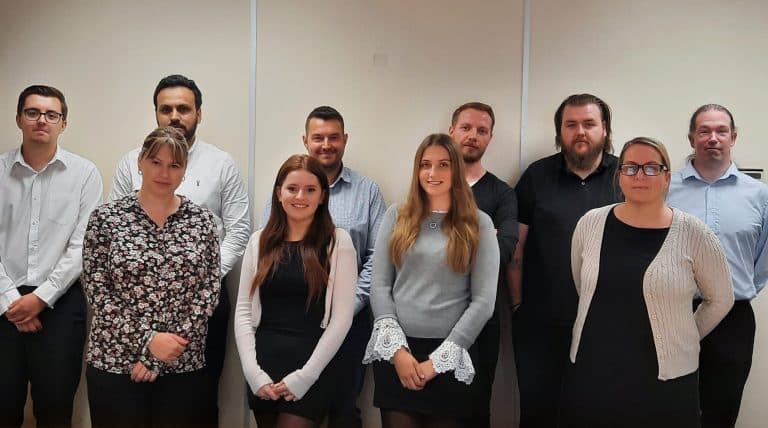
Back row L-R: Jack Holt, Shan Syed, Callum Foster, Bradley Wade, Ben Wilkinson, Craig Anderson
Front row L-R: Keeley Roscoe, Amy Lees, Elle Millington, Angie Frangenheim

Notes to editor:
Established in 1971, Champion Accountants occupies four offices across the North West, including Manchester, Preston, Chester and Blackpool.

Champion offers a range of pro-active, affordable business advisory services that go beyond traditional accountancy and are perfectly tailored to suit the needs of start-ups and SMEs.

Being part of a larger group enables its clients to draw on a variety of expertise, including tax planning specialists, corporate finance experts and commercial insurance brokers.

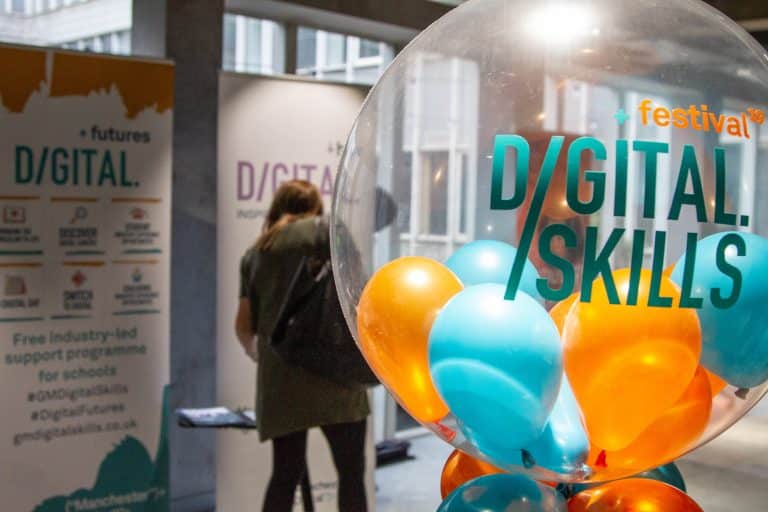
Greater Manchester’s Digital Skills Festival to return in-person in 2022

Manchester Digital has announced the return of its Digital Skills Festival in 2022 for a week-long programme that will unite industry and education to tackle the common goal of building a strong future for the digital and tech sector. The February 2022 event will see the return of in-person events to the schedule, after the 2021 event took place entirely online due to Covid-19 restrictions.

Leading Manchester automobile brand Autotrader has confirmed it will be lead sponsor of the event, bringing its knowledge and insights to share with delegates.

The annual Manchester Digital Skills Audit will be released at the event, which audits more than 250 digital and technology businesses, identifying new or emerging trends as well as key issues that the industry faces and skill sets of growing importance.

The Digital Skills Festival 2022 will take place between Monday February 7 and Friday February 11 and will be delivered as a hybrid series of events and activities, with in-person events as well as virtual events (restrictions permitting).

Katie Gallagher, managing director at Manchester Digital, said: “Our 2022 Skills Festival will showcase the best digital and tech companies that Greater Manchester has to offer and puts them in front of the brightest graduates and job seekers.

“Greater Manchester is seeing a larger than ever skills shortage due to the huge growth in the tech and digital industry, which was accelerated by the COVID-19 pandemic.

“Over the past 18 months, the pandemic created a definite shift in the way we work, live and shop in a very short space of time. This will create even more opportunities and job roles, so as an industry we need to start training and upskilling our young recruits.”

The festival is one of the most important events in the digital and tech sector’s calendar in Greater Manchester and attracts leading industry professionals, educators, students and job seekers.

If you can’t wait for the next event, check out these Online IT and Digital Courses, available all year round to suit your schedule.

Altrincham digital marketing agency First Internet has made a raft of new hires as it expands.

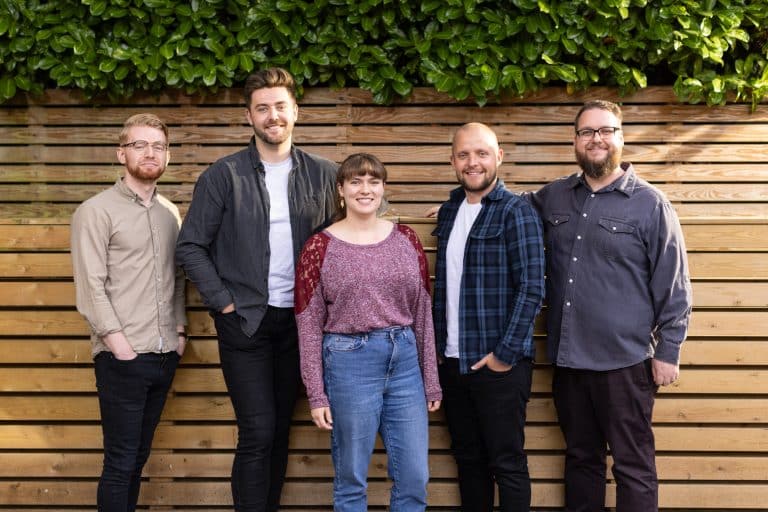
Kieran Wilson has been recruited as a technical SEO specialist, Jon Cole-Dalton as a content marketeer and SEO specialist. Harriet Waters has come on board as a digital marketing executive, Jonathan Griffiths as a UX designer, and Ben William-Harrison has joined as account manager and social media executive.

The new recruits have been hired by the agency as it has secured new and repeat briefs, working with clients across the UK to provide website design and development, UX design, SEO, social media management and content marketing.

“It’s been an incredibly busy 12 months, with new client wins, extended contracts and a number of awards,” says director Scott Baxter. “Recruitment in the digital profession is challenging at the moment: there is huge demand for sector expertise, so we’re delighted that we are able to welcome such talented professionals to our team.”

First Internet recently celebrated 23 years in business. Clients include PZ Cussons, Peak ai, Citation, Metro Rod and Sew Direct.

Millennial finance firm Payl8r appoints creative Stephen Bagshaw and marketeer Chris Pullan to take the business to the next level

0

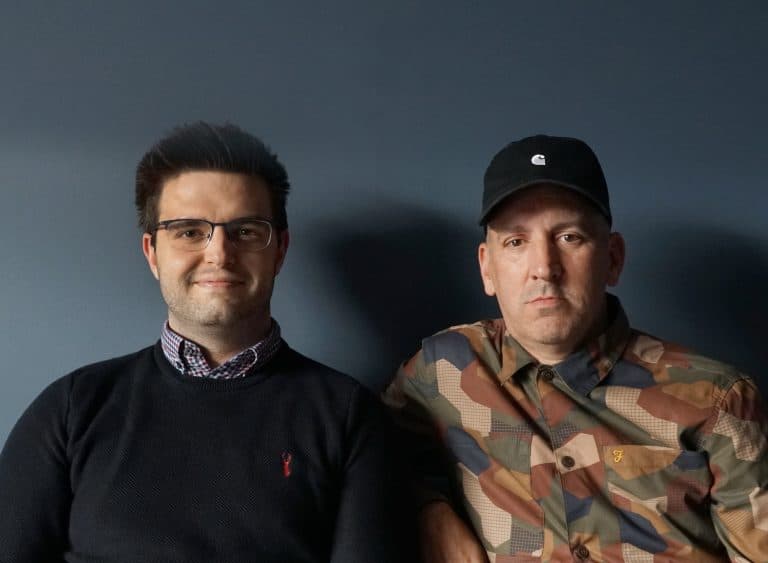
Manchester’s millennial buy now, pay later finance firm, Payl8r, is building a new in-house creative team and has appointed Stephen Bagshaw as creative director and Chris Pullan as head of marketing to help take the business to the next level, and reach its ambitious growth plans of being a £1bn turnover fintech business in the next five years.

Bagshaw, who honed his skills at advertising agencies such as JWT, MAP and Refinery during his 25 year-long career, has been given a blank canvas at Payl8r to bring in big creative changes. Having worked within the fashion, leisure and tech sectors for brands such as Alton Towers, Umbro and Deloitte his vast experience of Payl8r’s target millennial market, along with his creative ideas and strategic acumen, prompted Payl8r to hire him on the spot.

He said: “Joining Payl8r was a no brainer for me, as I’ve been given total autonomy to take the brand forward by a brilliant senior management team who trust in me. I already know where we need to go and am in the process of making big changes; the impact I could make on the business was too good to turn down.”

Chris Pullan has also been appointed by Payl8r as head of marketing after working for a mix of large FMCG, e-commerce and most recently as a consultant and Non-Executive Director for large domestic companies, including FTSE 100 companies. A digital expert with years of f-tech experience, Chris and Stephen will lead the growing marketing team, which currently comprises seven experts in their fields.

“I’m absolutely delighted to have joined Payl8r at the beginning of an exciting period of growth and expansion. Coming from a fin-tech background, I hope to make a big contribution to Payl8r’s plans to be the go-to brand go to for buy now, pay later finance,” comments Chris.

In August, Payl8r announced its first institutional funding line with Conister Bank, an achievement that will boost the award-winning business’s expansion plans. The funding will enable further growth by helping Payl8r grow its customer base, partner with larger brands, move into new sectors, and bring new products to markets.

Payl8r’s managing director, Sam Fogerty said: “Our aim is to become the number one brand for retail finance and talent like Stephen and Chris will play a major role in helping this happen. I hope that building an inhouse creative department underlines our commitment to growing rapidly in the sector and also our confidence that we’ll achieve this.”